Protecting Electronics Through Packing, Handling and Transport
Electronics and household appliances combine finished surfaces, corners, screens, controls and internal components that can be affected by impact, vibration, abrasion or movement inside the carton. A useful packaging design starts with the actual product and distribution route rather than with a material name. Product weight, dimensions, fragile areas, carton size, packing direction and expected handling all influence the final structure.
Hongsen Packaging manufactures EPE foam and protective packaging in Xinxiang, Henan, China. Since 2002, our team has supported standard material supply and custom processing from customer dimensions, drawings or physical samples. For electronics projects, we review where the product needs separation, surface coverage, edge support or void control before discussing a practical material format.
Recommended Packaging Formats
EPE Foam Sheets and Layer Pads
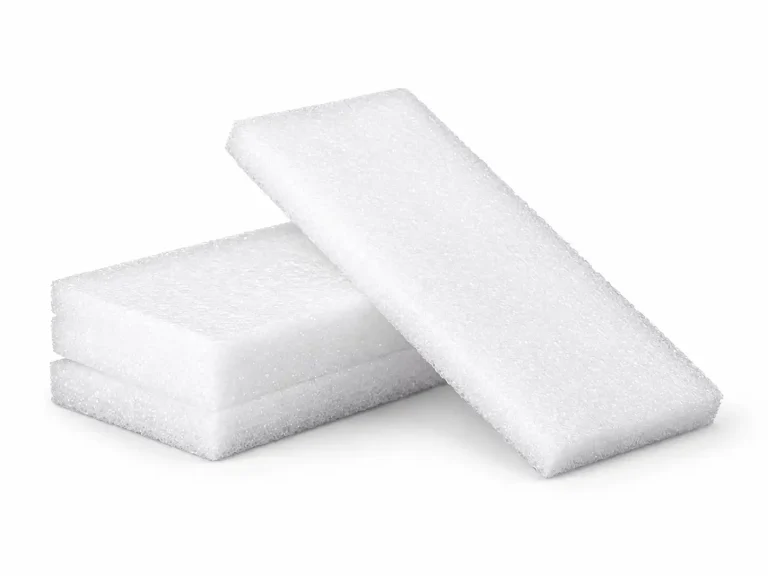
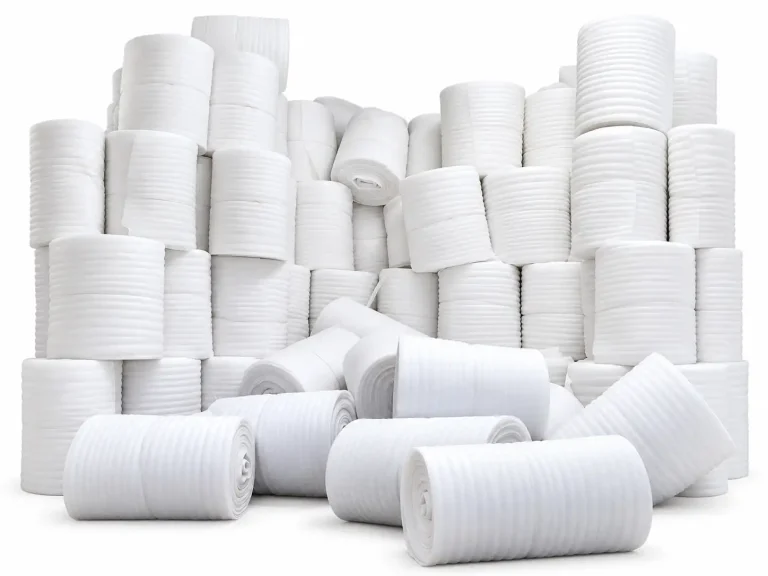
EPE foam sheets can line cartons, separate stacked parts and cover broad finished surfaces. They are convenient when the customer needs flat pads that can be cut or converted around defined contact areas. Length, width, thickness, density, color and laminated surfaces can be discussed according to the product and packing method.
Foam Bags for Surface Protection
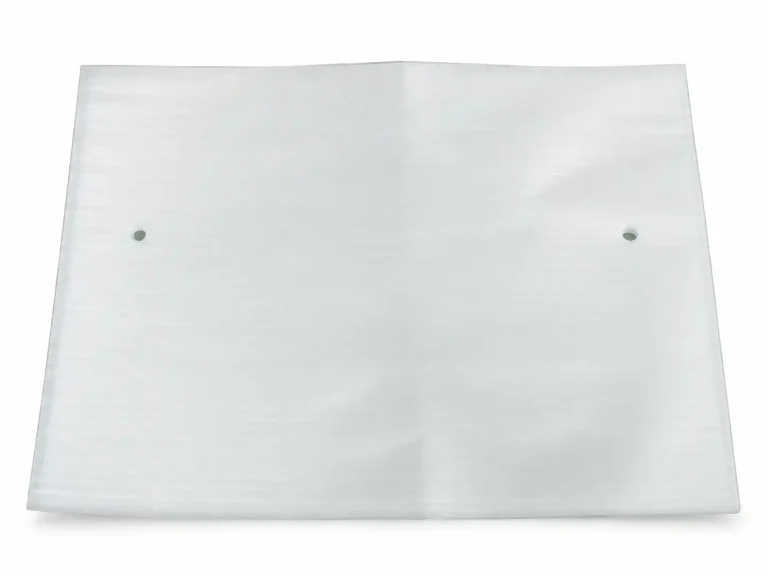
Custom EPE foam bags provide a soft layer around housings, panels and accessories. Bag dimensions, foam thickness, closure style and printing can be developed around the packed item. A bag can simplify repetitive packing when the same product is handled in regular production batches.
Custom Profiles and Inserts
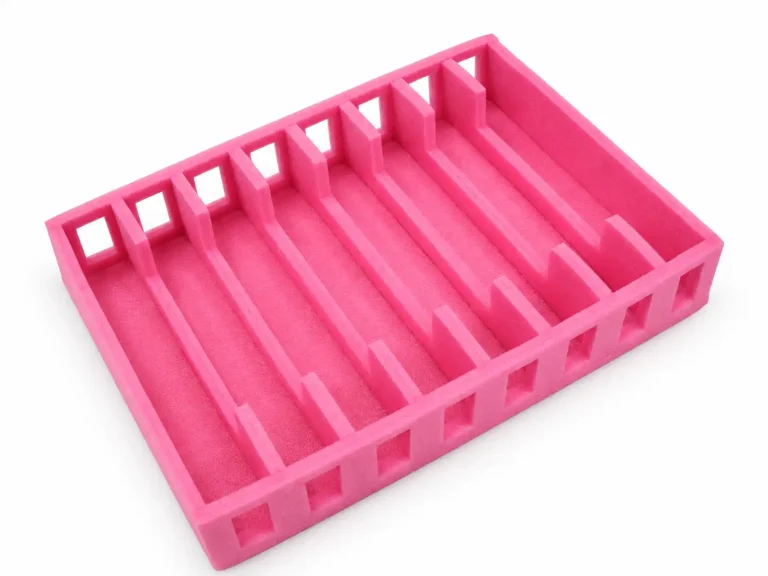
Custom EPE foam profiles can support corners, edges and selected contact points inside an outer carton. Drawings or samples help confirm the cross-section, length, openings and fit. The final design should allow workers to load the product consistently without pressing on controls, connectors or other sensitive areas.
Air Column Cushioning
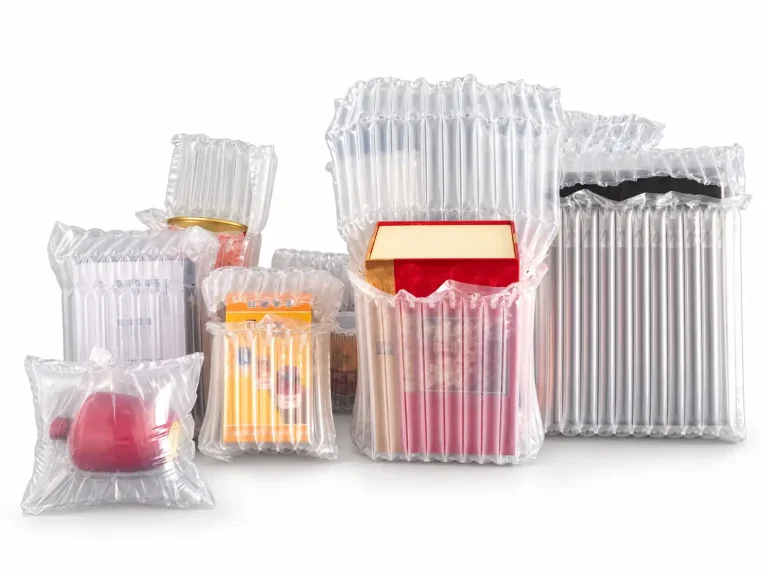
Custom air column bags use connected inflatable chambers around suitable products. Product dimensions, weight, fragile areas, inflation method and outer-carton size are needed before a bag structure can be discussed. Air cushioning may reduce stored material volume before inflation, but it also requires a suitable packing process and equipment.
How to Choose a Practical Structure
Begin by identifying the failure mode you need to control. Use a soft sheet or bag when the main concern is rubbing and surface contact. Use shaped profiles when the product needs repeatable positioning or protection at known edges. Use air columns when the product, carton and packing operation suit an inflatable format. These materials may also be combined with a corrugated carton and accessory compartment.
Packaging performance depends on the complete pack, including the outer carton, product weight, clearances and distribution conditions. Samples should be checked with the actual product and carton before commercial production. If the project has drop-test, vibration-test or documentation requirements, share the required method and acceptance criteria during the inquiry.
Customization and Quality Confirmation
Hongsen can discuss dimensions, thickness, density, color, laminated surfaces, converted shapes, bag formats and packing quantities. Incoming materials, key production stages and finished packaging are checked against the agreed order requirements. Dimensions, appearance and special inspection needs should be written into the confirmed specification.
Standard EPE packaging should not be assumed to provide antistatic or electrostatic-discharge protection. If a component is static-sensitive, state the electrical requirement and applicable test standard so that material suitability and documentation can be evaluated separately.
Information to Include in Your RFQ
- Product length, width, height and weight
- Photos, drawings or a physical sample
- Fragile surfaces, screens, corners, controls and connectors
- Current carton dimensions and packing orientation
- Quantity per shipment and estimated order quantity
- Handling route and any required packaging test
- Preferred material, color, printing and packing format
Frequently Asked Questions
Should I choose foam sheets, bags or custom profiles?
Sheets are flexible for lining and separation, bags simplify full-surface coverage, and profiles protect defined edges or hold the product in a repeatable position. The product geometry and packing process determine the better choice.
Can you work from an existing package?
Yes. Send the current packaging, dimensions, drawings or clear photos and explain what you want to improve. Our team can review material and conversion options before sampling.
Do these products automatically provide ESD protection?
No. Do not infer ESD performance from ordinary EPE foam. State the electrical requirement and test method when requesting a quotation.
Discuss Your Electronics Packaging
Send your product dimensions, carton information and photos to the Hongsen Packaging team. We will review the protection points and suggest a practical next step. Learn more about our manufacturing background, review our custom packaging process, or contact us about your project.