Practical Packaging Guide
Prepared by Hongsen Packaging Team, sharing practical material and custom-processing guidance from our packaging manufacturing experience since 2002.
Bubble wrap and EPE foam are both familiar protective materials, yet they solve packaging problems in different ways. Bubble wrap bends easily around irregular surfaces and creates many small air cells. EPE foam offers a continuous, resilient layer that can be supplied as rolls, sheets, bags or shaped parts. Choosing between them is less about declaring one material better and more about understanding how the product moves, where damage begins and how the pack is assembled.
For buyers comparing materials, the most useful evidence comes from the complete packing sample. Product weight, surface finish, contact points, carton size and repeated handling can change the result. The guidance below explains practical starting points without replacing a sample review or an agreed packaging specification.
What each material does well
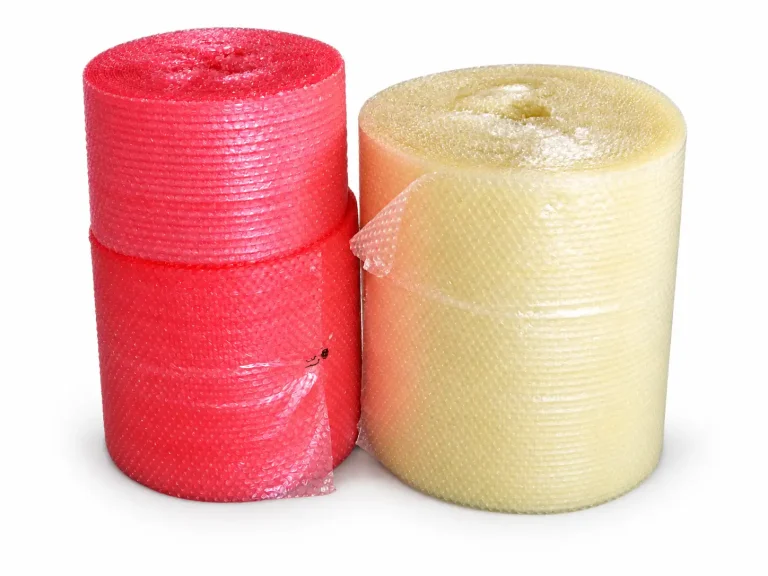
Bubble wrap follows the product
Protective bubble wrap is easy to bend around corners, handles and mixed shapes. Operators can overlap it, add extra turns around vulnerable areas and use it for products that vary in size. It also works as a separating layer between items. This flexibility is valuable in fulfilment operations and mixed-volume warehouses where a different pre-cut part for every item would be difficult to manage.
Its flexibility also means the packing method matters. Loose wrapping can shift, while excessive overlap uses more material and may create an uneven package. Sharp projections need attention because they can damage the air cells. Bubble wrap is best evaluated with the intended tape, bag or carton that will keep it in position.
EPE foam provides a continuous cushioning layer
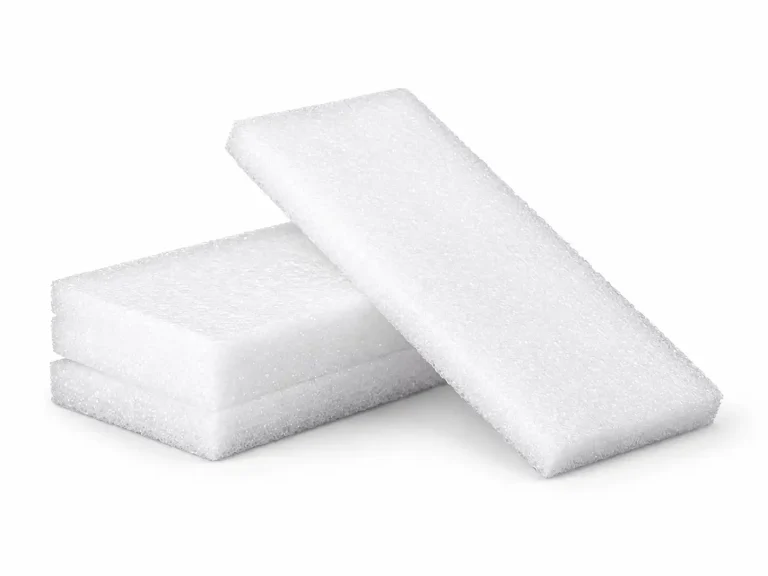
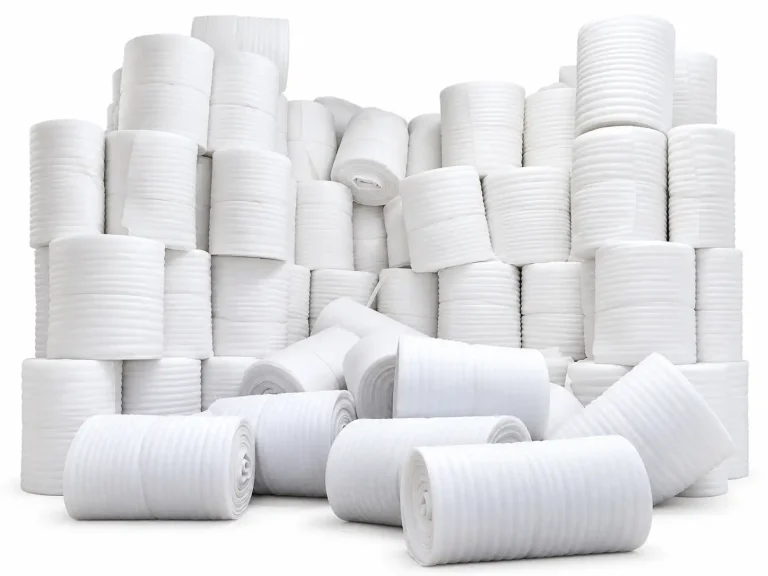
EPE foam sheets and rolls provide a smooth, uninterrupted surface between the product and its surroundings. They are useful for broad finished faces, stacked components and products that should not rub against a carton or another part. EPE can also be converted into bags, profiles and inserts when a repeatable shape is needed.
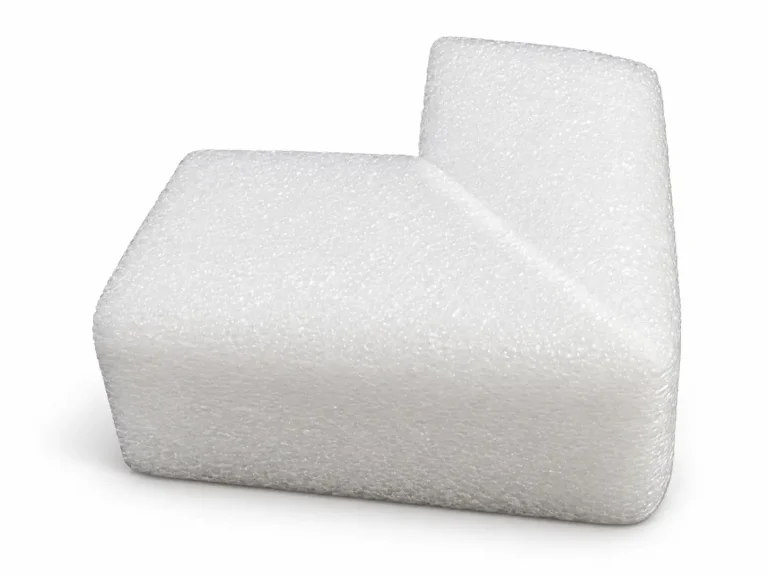
A flat foam layer is not automatically a fitted package. It can slide inside unused carton space or leave a corner exposed. When the risk is concentrated at an edge, a foam edge protector may use material more purposefully than adding several full wraps.
Compare the damage risk before the material
Begin with the failure you are trying to prevent. Fine scratches on a polished surface require clean separation and controlled contact. Dents at a cabinet corner point toward local reinforcement. Movement inside a parcel calls for restraint or void management. Several products failing for different reasons may need a combination rather than one universal layer.
Weight changes the way cushioning is loaded. A light object may be adequately separated by a flexible wrap, while a heavier item can compress soft layers and move toward the carton wall. This does not produce a universal weight limit: foam structure, thickness, contact area and the complete pack all matter. A physical packing trial is the sensible decision point.
Quick comparison
| Question | Bubble wrap | EPE foam | What to verify |
|---|---|---|---|
| Product shape | Conforms readily to mixed or irregular shapes | Works well on broad surfaces and as converted forms | Whether every vulnerable area is covered |
| Packing routine | Flexible for variable orders | Consistent when pre-cut or converted | Operator time, cutting and overlap |
| Surface contact | Air-cell film contacts the product | Continuous foam surface | Cleanliness and sensitivity of the finish |
| Position in carton | Usually needs wrapping or restraint | Can be layered, fitted or shaped | Movement after the carton is closed |
| Customization | Can be supplied in bags or selected roll formats | Rolls, sheets, bags, rods, tubes and profiles | Dimensions, construction and sample fit |
When a combined pack is more practical
Many good packaging systems use both materials. Bubble wrap can cover an irregular accessory while EPE sheets separate the main finished panels. A foam profile can protect a furniture edge, with bubble wrap filling the transition around hardware. The outer carton and tape then hold the arrangement together. Each layer should have a clear job; adding material without identifying that job usually increases complexity rather than confidence.
Combination packs should be assembled in the correct order. Protect the most sensitive surface first, secure local protectors, control empty space and then close the outer pack. If a protective piece moves while the carton is shaken by hand, investigate the fit before simply adding another loose layer.
Packing-line and storage considerations
Roll width, sheet size and workstation layout influence everyday use. A wide roll may reduce seams but be awkward on a small table. Pre-cut sheets improve repeatability but require storage by size. Bubble wrap is quick to tear or cut for varied parcels, while converted EPE parts can make a stable production run easier to train and inspect.
Ask the people who pack the product to test the proposed method. They often identify insertion problems, hidden projections and unnecessary tape faster than a drawing alone. Record the layer order and orientation after approval so the sample can become a repeatable work method.
Common selection mistakes
- Choosing by material price alone without comparing labour, offcuts and the outer carton.
- Adding more layers while leaving enough empty space for the product to move.
- Using loose wrap on a sharp projection without checking whether the air cells remain intact.
- Assuming a flat EPE sheet protects every corner of an irregular product.
- Changing carton size after the cushioning sample has been approved without testing the pack again.
Information to send before requesting a sample
Share product dimensions, weight, photographs and the areas where previous damage occurred. Explain the surface finish, packed orientation, carton dimensions and whether accessories travel in the same box. State whether the packing line handles one stable model or frequent size changes. These details help a supplier compare flexible wrapping with pre-cut or shaped protection.
If an existing pack is failing, send photographs after transport as well as before dispatch. The location of scuffs, crushed corners or movement often reveals more than a general request for ‘stronger packaging.’ Hongsen Packaging can review the information through its customization process and discuss a sensible test configuration.
Frequently Asked Questions
Is bubble wrap suitable for every fragile product?
No single wrap suits every product. Sharp points, heavy loads, sensitive surfaces and large empty spaces can require a different material or an additional fitted component.
Does thicker EPE foam always provide better protection?
Not automatically. Fit, contact area, product weight, carton space and handling conditions also matter. A sample should test the complete packaging system.
Can bubble wrap and EPE foam be used together?
Yes. They can perform different jobs in one pack, such as flexible wrapping around accessories and stable separation or edge protection around the main product.
Which option is easier for mixed orders?
Bubble wrap and EPE rolls are flexible for changing sizes. Pre-cut sheets, bags and profiles may be more consistent when the same product is packed repeatedly.
Discuss your packaging requirement
Comparing bubble wrap with EPE foam?
Send a product photo, dimensions, weight, current carton and the damage risk you need to control. We can help define a practical sample for comparison.
Share the product details first so the recommendation can be based on the actual packing task.
Need help with a packaging requirement?
Share your product dimensions, transport conditions and order quantity. We will help clarify the next step.