Protect Delicate Produce with a Suitable Packing Arrangement
Fruit and eggs vary in size, shape and surface sensitivity. Packaging that looks suitable when empty may hold the actual produce too loosely or apply pressure in the wrong place. An agricultural pack should be reviewed around the product, the number of items per layer and the way workers load, stack and unpack the shipment.
Hongsen Packaging manufactures EPE foam and protective packaging in Xinxiang, Henan, China. Established in 2002, the company supports custom processing from dimensions, drawings or samples. Agricultural buyers can discuss individual sleeves, trays, pads and converted inserts around their existing carton and distribution process.
Packaging Formats for Fruit and Eggs
Fruit Foam Net Sleeves
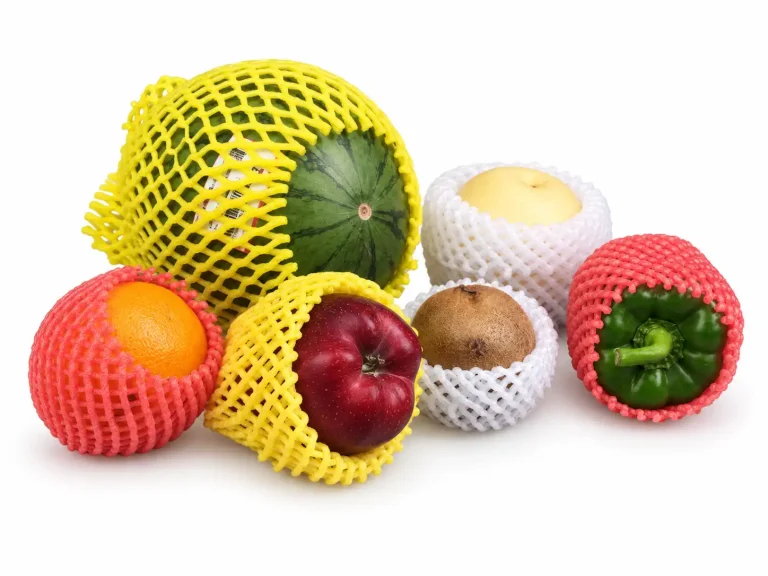
EPE fruit foam net sleeves provide individual separation for apples, pears, mangoes and other suitable produce. Sleeve diameter, length, foam thickness, mesh opening and color can be discussed around fruit dimensions. Include the size range rather than only the average fruit size, because fit can change across grades or seasonal deliveries.
Custom EPE Foam Egg Trays
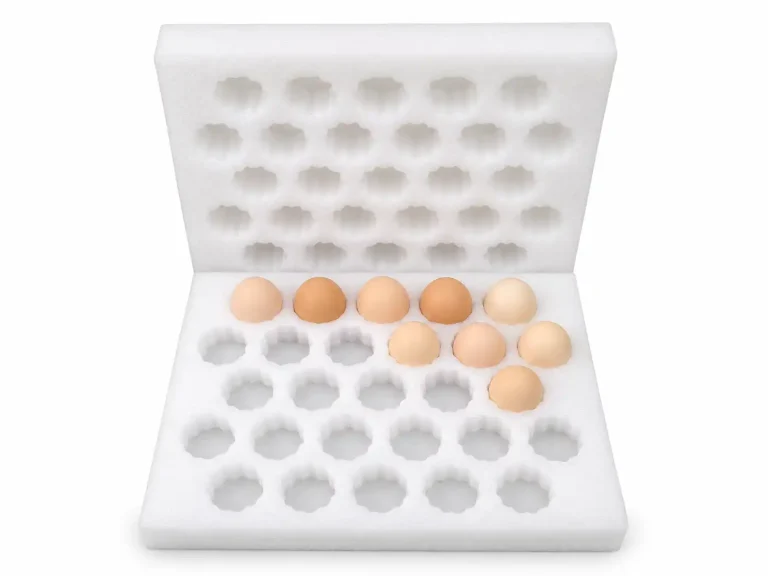
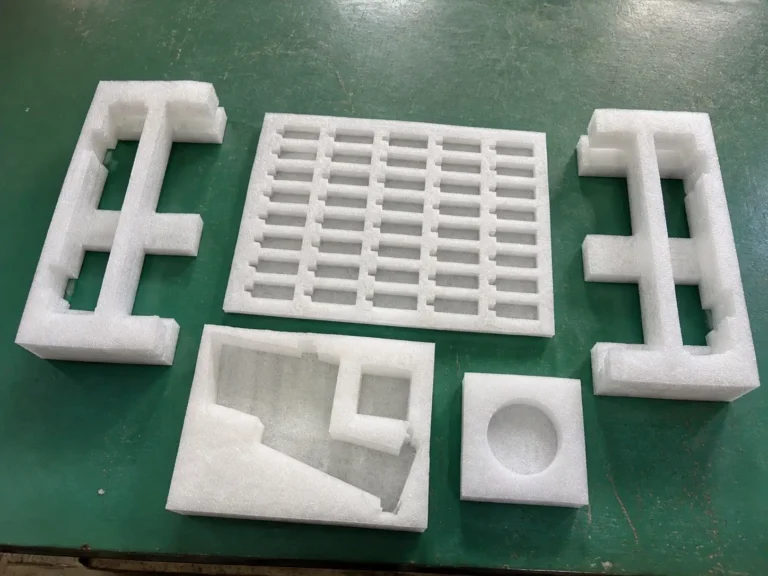
Custom EPE foam egg trays hold eggs in separate positions and help limit movement within a suitable pack. Tray dimensions, cavity count, spacing, thickness and color can be developed around the eggs and outer carton. Confirm the cavity fit with the intended egg sizes and review loading, removal and the proposed stacking arrangement.
Converted Egg and Fruit Packaging
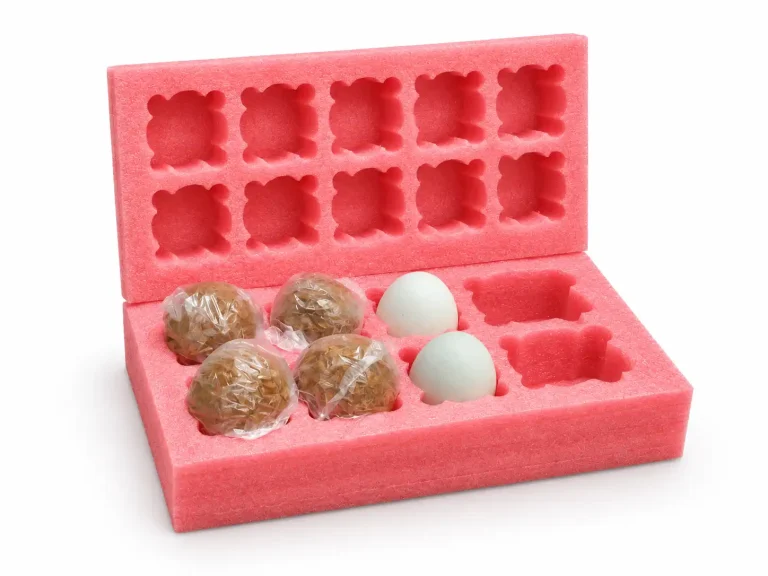
EPE foam packaging for eggs and fruit includes protective formats developed around a particular layout. Pads or shaped inserts can be discussed for mixed packs, gift boxes or products needing defined separation. Provide item measurements, units per pack and clear photographs of the intended carton arrangement before selecting a structure.
Foil Insulated Fresh Food Bags
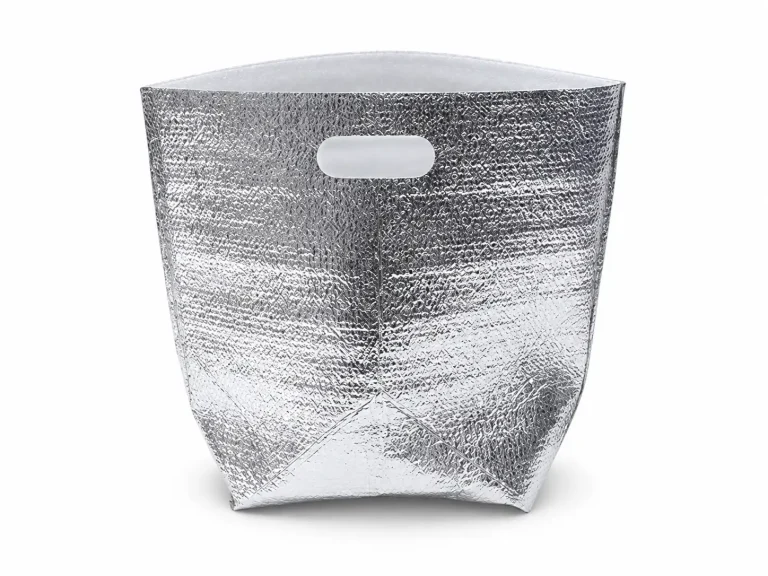
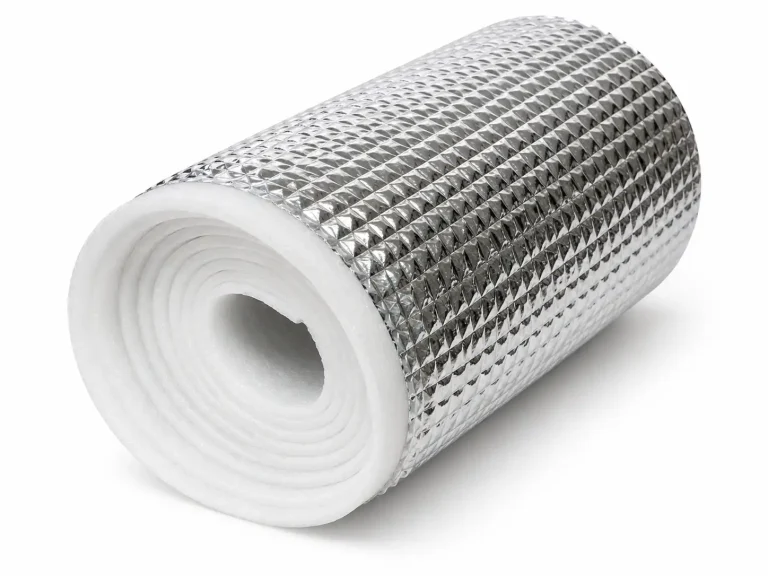
Foil insulated fresh food bags are an option to evaluate where temporary temperature protection is part of the delivery requirement. They serve a different purpose from cavity trays or fruit sleeves. Share the contents, carrying weight, expected journey, closure and temperature requirements so the complete arrangement can be reviewed.
Choose by Fit, Separation and Distribution Conditions
For fruit, begin with the variety and size range, then check how each item contacts its neighbors and the carton. A sleeve should be assessed with the real produce, including loading convenience and appearance. For eggs, review the cavity size, spacing and tray layout with representative samples. Do not assume one cavity arrangement fits every egg grade or species.
Consider the whole carton, including layers, dividers and handling orientation. Inner foam should not be treated as a substitute for an outer package capable of the intended stacking and distribution conditions. If workers need to pack several sizes, identify each combination so samples can be checked for all intended arrangements.
Discuss temperature and hygiene requirements separately from cushioning. Foam separation does not itself establish freshness retention, refrigeration performance or food-contact compliance. Where direct food contact is intended, identify the destination market and applicable documentation requirements. Confirm suitability before use rather than inferring it from the product name.
Sampling and Quality Confirmation
Hongsen reviews incoming materials, monitors production and checks finished packaging against confirmed order requirements. The specification should record dimensions, cavity layout, material requirements, appearance and any special inspection needs. A sample review should include the actual produce or representative dimensional samples and the final outer carton.
For insulated bags, the temperature outcome depends on the contents, starting temperature, ambient conditions, journey length, closure and any cooling elements. Establish a validation procedure for the intended distribution route. Do not rely on an unsupported claim that a bag keeps food within a particular temperature range for a fixed number of hours.
When planning repeat supply, identify the approved product size range and carton version. A change in produce grading or box dimensions may require another fit review. Share seasonal quantity estimates and the packing format workers prefer so the supply arrangement can be discussed clearly.
What to Include in Your Inquiry
- Fruit variety or egg type and dimensional range
- Units per tray, layer and carton
- Carton internal dimensions and stacking arrangement
- Photographs of current packaging and handling concerns
- Required sleeve, cavity or insert format
- Direct-contact and destination-market requirements
- Temperature conditions where insulation is needed
- Estimated quantities, colors and labeling needs
Frequently Asked Questions
Can you make a tray for a specific egg size?
Tray dimensions and cavities can be discussed from measurements or samples. Confirm fit, loading and stacking before approving the design.
Does a fruit sleeve replace a protective carton?
No. It provides an inner separation layer. The outer package and overall arrangement must also suit the intended handling conditions.
Are insulated bags automatically suitable for a cold chain?
No. Temperature performance must be evaluated for the actual contents and delivery conditions, with any required cooling elements and documentation.
Discuss Your Agricultural Pack
Learn about our custom packaging process and company background. Send Hongsen your item measurements and carton layout to discuss suitable samples for fruit or egg distribution.