Start with Equipment Geometry and Handling Requirements
Industrial equipment may combine a strong main body with exposed controls, connectors, painted surfaces or accessories that require separate protection. The package must account for those differences. A small instrument and a heavy assembly should not receive the same design simply because both are industrial products. Begin with dimensions, weight, contact points and the way the shipment will be lifted, stored and transported.
Hongsen Packaging has manufactured protective packaging in Xinxiang, Henan, China since 2002. Its services include EPE foam materials and custom conversion from customer drawings, dimensions or samples. The team can review foam shapes and supporting supplies around an agreed equipment packing arrangement.
Products for a Coordinated Equipment Pack
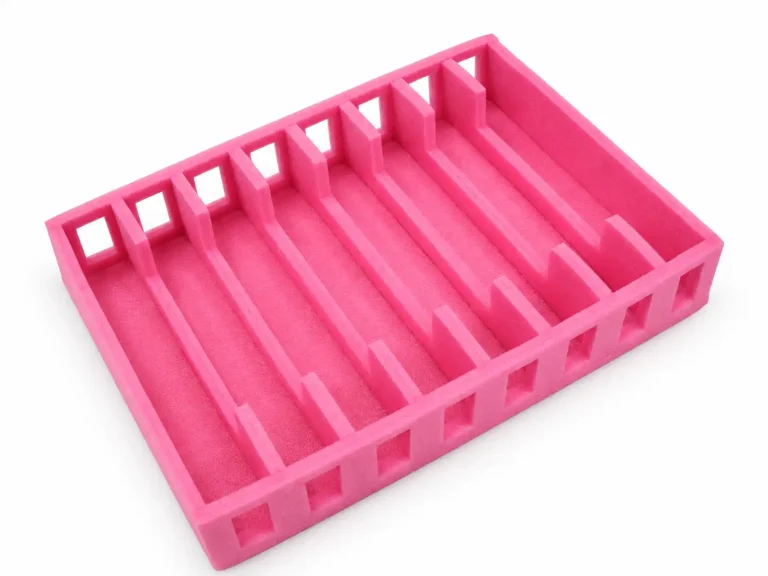
Custom EPE Foam Profiles
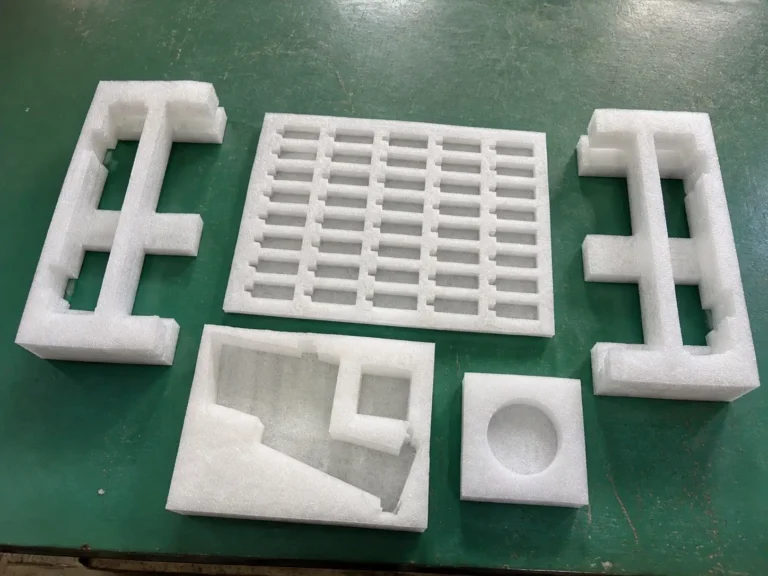
Custom EPE foam profiles can cover edges or provide defined contact areas for suitable components. Supply a dimensioned drawing that distinguishes permitted support areas from controls, connectors and other features that must remain clear. Cross-section, length and converted shape should be confirmed with a sample and the actual equipment.
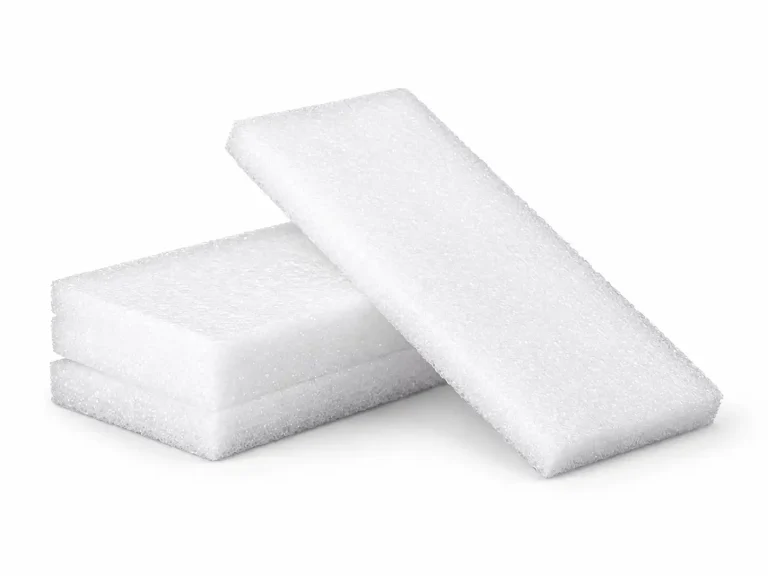
EPE Foam Sheets and Liners
EPE foam sheets can serve as surface separators, layer pads or carton liners. Their flat format suits broad areas and further conversion into defined pieces. Thickness, density, dimensions, color and laminated surfaces can be discussed according to the application. A liner provides a contact layer; its presence alone does not establish a rated load-bearing design.
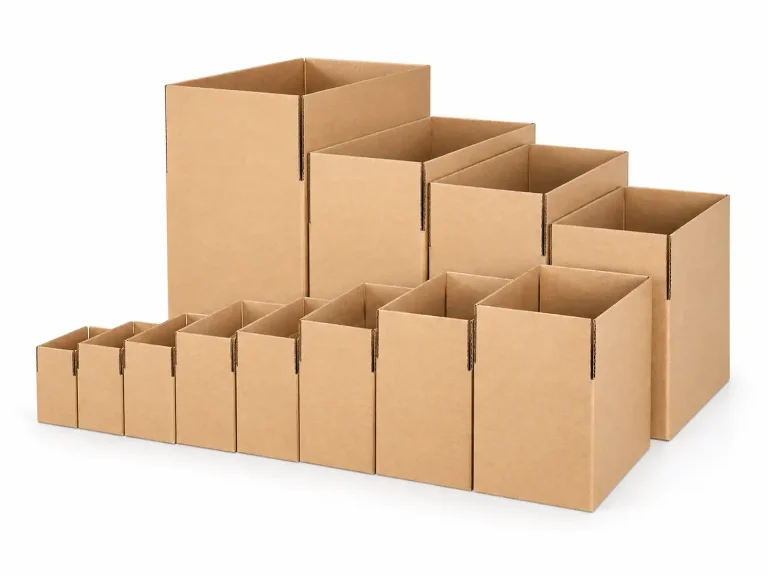
Custom Corrugated Cartons
Custom corrugated cartons can be reviewed for equipment or components suited to carton shipment. Internal measurements must account for both the item and its protection. Provide the packed weight, accessories, closure method and stacking conditions. The outer package specification should be agreed with the full distribution requirements in mind.
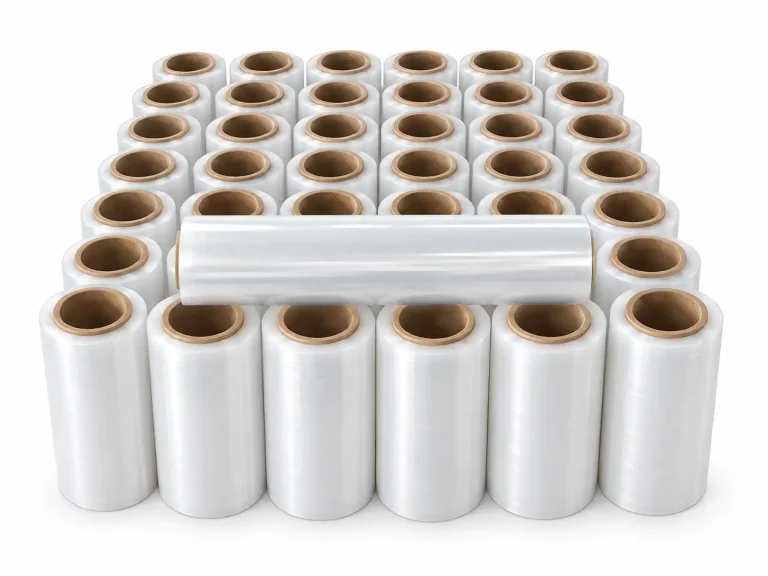
Stretch Wrap Film
Stretch wrap film can form part of an outer wrapping operation. Review the load shape and manual or machine application. It does not replace internal support, fastening or engineered restraint for heavy equipment. Where a pallet, crate or fastening system is required, coordinate those elements with the responsible packaging or logistics specialist.
Separate Surface Protection from Structural Restraint
List each task the packaging must perform. Surface protection addresses rubbing and contact. Positioning keeps a component in the intended location. Structural restraint controls the load during handling. These functions interact, but they are not interchangeable. A soft foam part that covers a painted edge should not automatically be assigned the task of restraining the entire machine.
For instruments with accessories, create a packing arrangement that keeps loose parts away from sensitive faces. Check removal space and operator access. A component that fits a drawing may still be awkward to install or remove in daily packing, so include the packing team in sample review. Document the correct orientation and placement of each protective piece.
Review samples with the actual product, including the outer package and closure. Equipment weight, distribution route, storage time and repeated handling may change the required structure. Provide any test method, allowable movement or inspection requirement before approval. Do not infer certified shock, vibration, compression or load performance from general product descriptions.
Custom Specifications and Quality Checks
Hongsen can discuss foam dimensions, thickness, density, cross-sections, converted pieces and supply formats. Company quality control includes incoming-material review, process monitoring and finished-product checks against agreed requirements. Record drawings, revision numbers, fit requirements and appearance expectations so later orders use the same reference.
If the equipment contains static-sensitive electronics, state the ESD requirement separately. Standard EPE materials should not be assumed antistatic. Requirements for corrosion protection, moisture control or regulated transport also need specific evaluation and documentation; a general foam liner does not establish those properties.
Prepare a Technical Packaging Inquiry
- Overall dimensions and actual packed weight
- Drawings showing acceptable contact and support areas
- Photographs of exposed controls and connectors
- Accessory list and proposed packing orientation
- Outer carton, pallet or crate arrangement
- Lifting, storage and transport conditions
- Required tests, inspections and documentation
- Estimated quantity and drawing revision
Frequently Asked Questions
Can foam support a heavy machine?
That requires a specific engineering assessment of weight, contact area, material and transport conditions. Do not assume an ordinary foam component provides rated structural support.
Can you work from equipment drawings?
Yes. Drawings or samples are useful starting points. Mark sensitive areas and permitted contact points clearly, and confirm fit before volume production.
Should accessories share the same compartment?
Assess whether they could contact or damage the equipment. Separate compartments or protective pieces may be appropriate depending on shape and handling.
Discuss Your Equipment Packaging
Read about our custom conversion process and manufacturing background, then send your drawings and packing requirements. Hongsen can review the material format and protection points with your team before sampling.