Practical Packaging Guide
Prepared by Hongsen Packaging Team, sharing practical material and custom-processing guidance from our packaging manufacturing experience since 2002.
A corrugated carton is the visible shell of a shipment, but it cannot protect every product by itself. Damage often begins when an item can move, when a finished surface rubs against the board, or when a corner carries load directly into the carton wall. Inner cushioning, dividers and restraint turn the carton from a container into a packaging system.
The right system is built from the product outward. Carton dimensions, board construction and print are important commercial decisions, yet they should follow a clear understanding of product geometry, weight, fragile areas and the packing sequence. This guide focuses on those relationships rather than prescribing an unverified grade or performance value.
Give every layer one clear job
The product may need surface protection, local cushioning, separation from accessories, control of empty space and an outer structure for handling. These are different tasks. A foam bag can keep a finished face clean, a profile can cover an edge, an insert can hold position and a corrugated carton can contain the complete arrangement. When two layers do the same job while another risk remains uncovered, the pack becomes expensive without becoming dependable.
Write the packing sequence before choosing materials: prepare the carton, place the lower cushion, insert the protected product, add dividers or accessories, control the remaining space and close the carton. This simple description exposes missing steps and helps suppliers understand what must be supplied as a set.
Carton fit controls movement
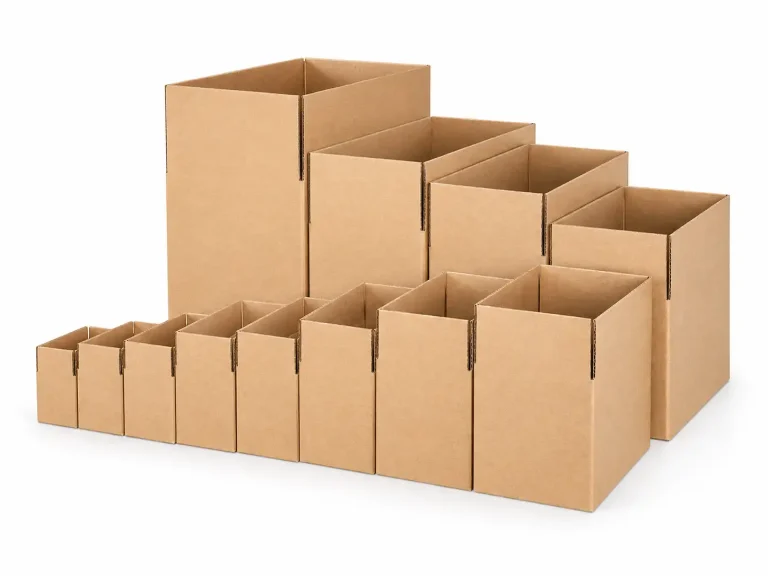
An oversized carton creates room for acceleration and collision. An undersized carton can compress protective parts or make closure inconsistent. Internal carton dimensions should therefore be checked against the product after bags, sheets, profiles and inserts have been applied. External product dimensions alone are not enough.
Allow practical clearance for packing, but do not treat loose space as harmless. If the product can shift when the closed carton is turned gently, identify whether the solution is a better carton size, a fitted insert or controlled void fill. Adding random offcuts makes repeatability difficult.
Choose inner protection by damage location
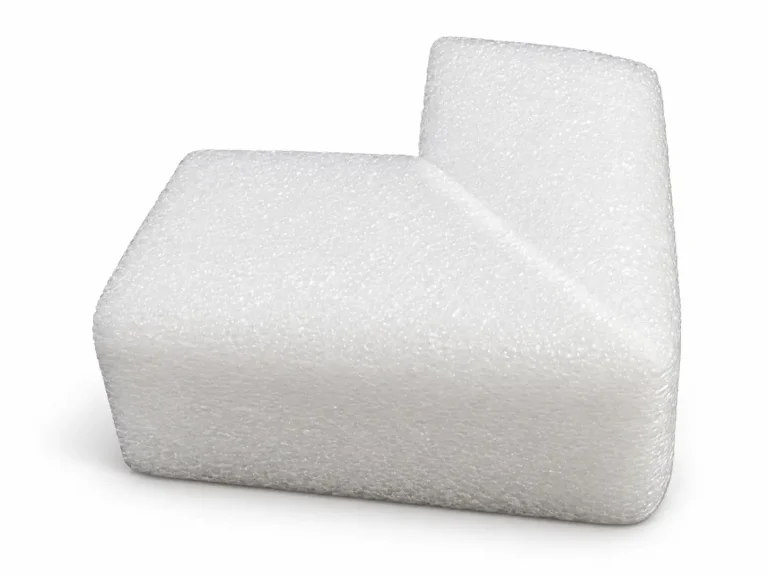
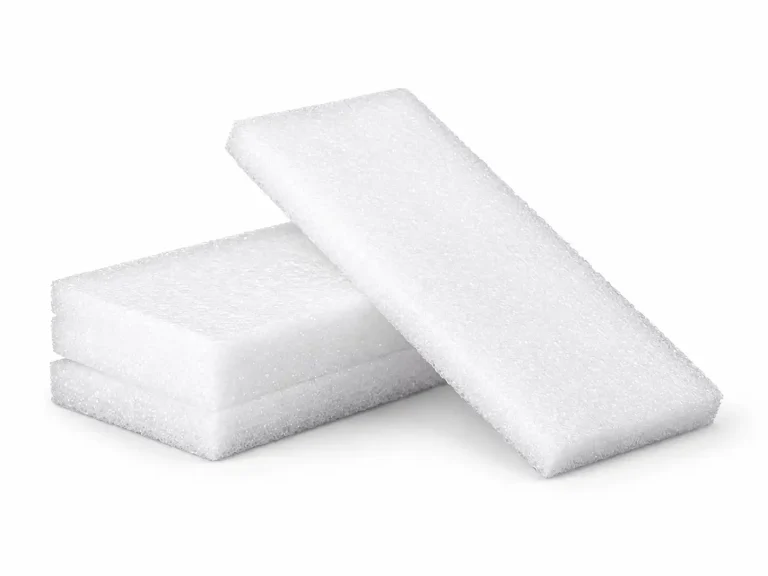
Broad panels and coated surfaces often need sheets or bags to prevent contact. Corners and long edges are better addressed with targeted EPE edge protectors. Complex products may benefit from custom profiles or shaped inserts that create stable contact points. Bubble wrap can accommodate irregular accessories, while inflatable pillows can manage limited residual voids after primary protection is in place.
The contact surface must also be considered. Clean, consistent material and an appropriate fit matter for painted, polished or easily marked products. Hardware, sharp brackets and loose accessories should not be allowed to press through a soft layer onto the main surface.
Quick system guide
| Packaging need | Practical starting format | Role of the carton | Check during sampling |
|---|---|---|---|
| Surface separation | EPE sheet, roll or bag | Prevents outside contact and contains the wrap | Rubbing, folds and movement |
| Corner protection | EPE edge protector or profile | Maintains surrounding clearance | Fit, installation and exposed points |
| Product location | Custom insert or divider | Supports the designed arrangement | Insertion and movement after closure |
| Residual empty space | Limited bubble or air cushioning | Keeps all components together | Orientation and shifting |
| Brand presentation | Printed corrugated box | Carries handling and identification graphics | Artwork, colour expectations and readable areas |
Printed and plain cartons
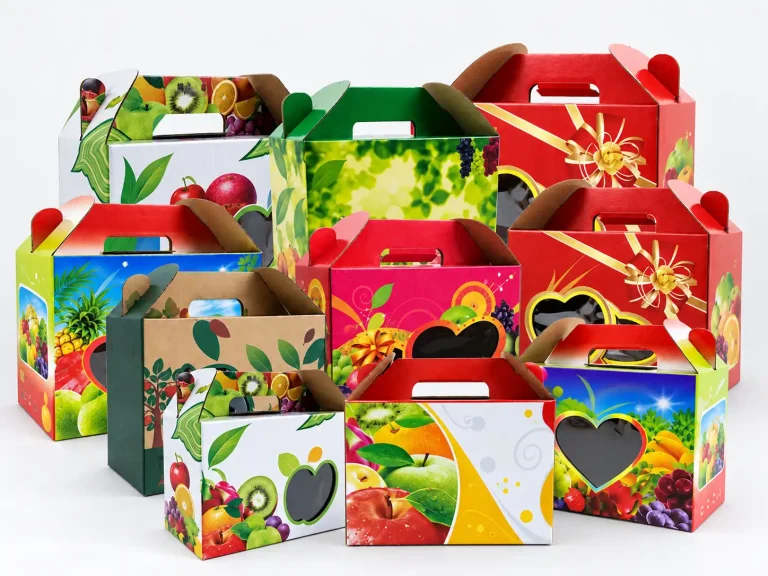
A plain shipping carton is appropriate when identification is handled by labels or an outer logistics process. Printed corrugated boxes can add brand, product or handling information when artwork and print expectations are clearly supplied. Printing does not correct a weak internal arrangement; structural and protective decisions should be resolved first.
When requesting print, send editable artwork where possible, identify the intended printed panels and separate mandatory handling information from decorative graphics. Confirm how tape, labels and shipping documents may cover the surface. A physical or approved production sample is useful when colour appearance is important.
Packing-line efficiency
A package should be possible to assemble correctly without relying on memory. Parts that look similar need clear orientation. Inserts should not require excessive force. Tape paths should be accessible, and the packed carton should close consistently. A short trial with operators can reveal whether a theoretically neat arrangement is too slow or confusing.
For repeated orders, record the carton internal size, each cushioning component, layer order and product orientation. If the product, accessories or carton change, review the system rather than assuming the old inner pack will continue to fit.
Common mistakes
- Choosing the carton before measuring the product with all inner protection applied.
- Using loose material to fill a large void without controlling the product’s position.
- Protecting broad surfaces while leaving corners or projecting hardware exposed.
- Approving printed artwork before confirming tape, label and closure locations.
- Changing one component of an approved pack without checking the complete system again.
What to include in a packaging enquiry
Provide product dimensions, weight, photographs, packed orientation and the locations of previous damage. Supply the desired quantity, current carton dimensions and any restrictions at the packing station. If several products share a carton, show their arrangement and identify loose accessories.
For custom work, include drawings or a sample when available. State whether you need a plain or printed carton and which inner components should arrive ready to use. Hongsen Packaging can review cartons together with EPE foam, bubble materials and supporting supplies through its coordinated packaging service.
Frequently Asked Questions
Can a strong carton replace inner cushioning?
Usually not when the product can move or has sensitive surfaces and corners. The carton and inner protection perform different jobs and should be reviewed together.
Should carton size be based on the bare product?
Use the dimensions of the fully protected product. Bags, profiles, inserts and required clearance change the internal space needed.
When is a custom insert useful?
A custom insert is worth evaluating when position must be repeatable, damage is concentrated at defined points or loose wrapping makes packing inconsistent.
Can printing be added after the structure is chosen?
Yes, but artwork should be reviewed against panel layout, tape, labels and closure areas before production is confirmed.
Discuss your packaging requirement
Building a carton and cushioning system?
Send the product, current carton and damage information. Hongsen Packaging can help review the outer box and inner components as one practical packing sequence.
Share the product details first so the recommendation can be based on the actual packing task.
Need help with a packaging requirement?
Share your product dimensions, transport conditions and order quantity. We will help clarify the next step.