Practical Packaging Guide
Prepared by Hongsen Packaging Team, sharing practical material and custom-processing guidance from our packaging manufacturing experience since 2002.
EPE foam is often discussed as though it were one product, but the format changes how it works on the packing line. The useful question is therefore not simply whether to use EPE foam. It is which form matches the product, the damage risk and the way operators actually pack it.
This guide compares four common formats supplied by Hongsen Packaging: rolls, sheets, bags and custom profiles. It is intended as a starting point for buyers. Final dimensions, thickness, fit and any laminated construction should be agreed from drawings, samples or confirmed packing requirements rather than assumed from a general article.
Start with the packing task, not the foam thickness
Thickness matters, but it is rarely the first decision. Begin by observing where protection is needed. Is the whole surface exposed to rubbing? Does the product need separation from another part? Is there one fragile corner that repeatedly receives impact? Must an operator wrap hundreds of similar pieces, or are the products varied and packed in small batches? These questions point toward the right format before a thickness is discussed.
Product geometry also matters. Flat, broad surfaces are naturally suited to rolls or sheets. Compact items that need clean, repeatable enclosure often suit bags. Long edges, tubes, frames and irregular corners usually need a profile or converted insert. If a material requires excessive folding, tape or trimming at the packing station, the basic format may be wrong even when the foam itself is suitable.
Four EPE formats and where each one fits
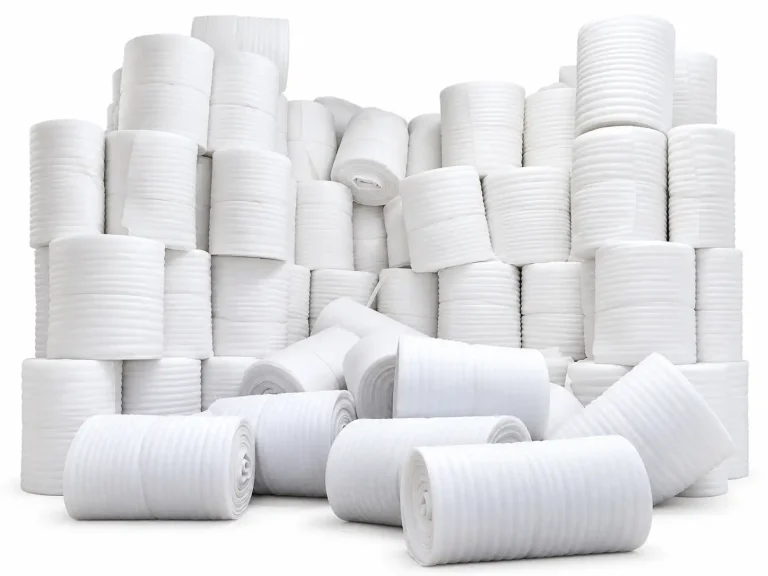
EPE foam rolls: flexible coverage for changing lengths
EPE foam rolls are useful when operators need continuous material for wrapping, lining or surface separation. They can accommodate products of different lengths without stocking a separate cut piece for every size. Furniture panels, metal parts, appliances and general warehouse packing are typical contexts. Rolls are also practical when foam is used as an intermediate layer before stretch film or an outer carton.
The trade-off is process consistency: operators must cut the material and control overlap. For a repetitive product, a pre-cut sheet or bag may reduce variation. Compare roll width with both the product and the packing table.
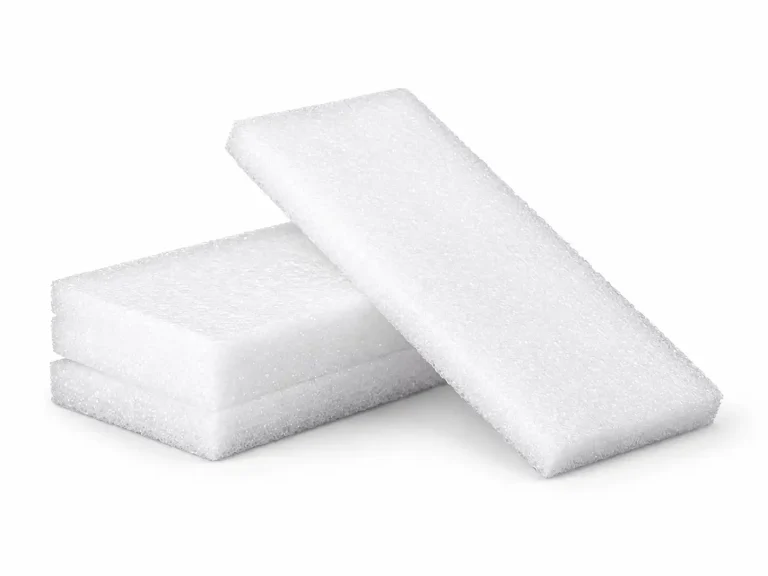
EPE foam sheets: simple separation and layered cushioning
EPE foam sheets provide a predictable flat layer. They can separate stacked parts, cover a finished face or form simple pads inside a carton. Sheets are easier than rolls to count, position and inspect, which can help when the same packing sequence is repeated. Multiple layers may be considered during sampling when one layer does not provide the required stand-off or cushioning shape.
A flat sheet does not automatically stay on a corner or narrow edge. If workers must tape several pieces together, evaluate a profile or converted insert. Match sheet size to the packed footprint to limit folding and offcuts.
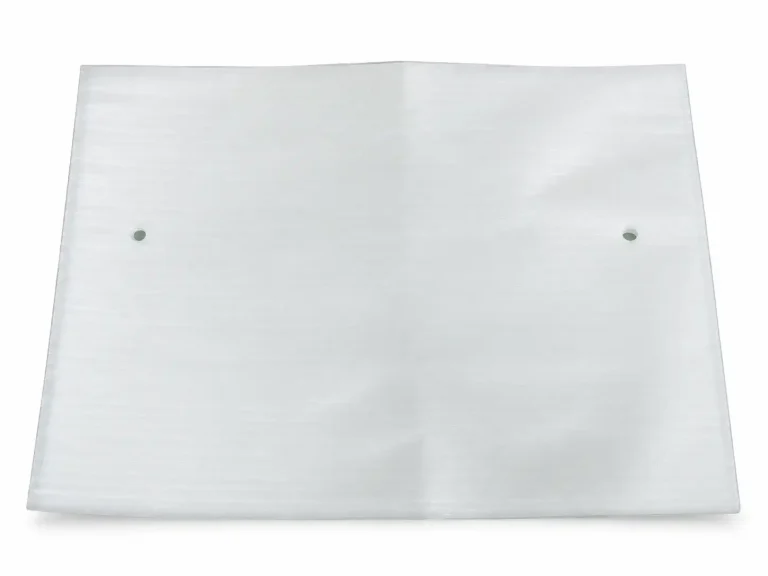
EPE foam bags: repeatable enclosure for finished surfaces
EPE foam bags combine surface separation with a defined opening and depth. They are often considered for components, appliances, glass-related items and finished products that are inserted before going into a carton. A bag can make the packing method more repeatable and reduce the need to wrap loose material around every unit.
Do not specify a bag from nominal length and width alone. Allow for depth, handles, projections and any inner pack. Opening direction affects operator access, so test a sample with the people who will pack the product.
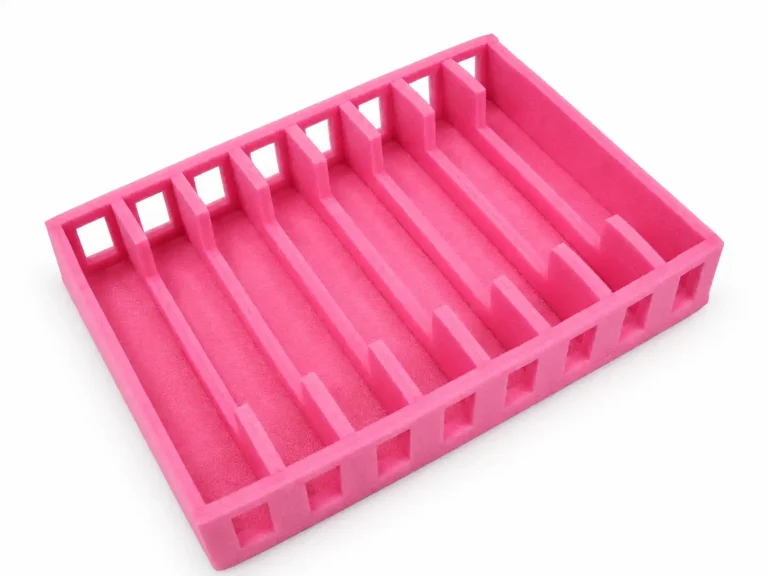
Custom profiles: targeted protection for edges and shapes
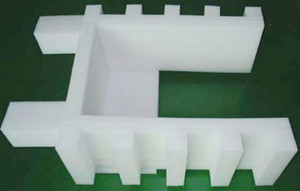
Custom EPE foam profiles place material where a product is most vulnerable. L-, U- and V-shaped formats can cover corners, channels and long edges, while rods and tubes suit circular gaps or cylindrical parts. A profile can reduce extra wrapping and help maintain a consistent position, provided its internal geometry matches the product.
Profiles require accurate input. Discuss edge width, corner angle, surface finish and fit from a drawing or sample. A loose profile may move; an overly tight one may be difficult to install or mark a sensitive finish.
Quick comparison
| Format | Best starting point | Main handling question | Information to confirm |
|---|---|---|---|
| Rolls | Variable lengths, wrapping and broad surface coverage | Who cuts and controls overlap? | Roll width, required length and packing method |
| Sheets | Flat separation, pads and repeated layers | Does the sheet stay in position? | Length, width, layer count and carton space |
| Bags | Repeatable enclosure of individual products | Is insertion easy for the operator? | Finished product size, depth and opening direction |
| Profiles | Edges, corners, channels and defined shapes | Will the profile hold without excessive force? | Drawing or sample, internal shape and surface sensitivity |
Decision factors buyers often overlook
The first overlooked factor is the complete pack. EPE foam works together with the outer carton, film, tape, dividers and any void-filling material. A sheet may look adequate by itself but shift inside an oversized carton. A well-fitted profile may still need an outer layer that keeps it in place. Review the sequence from the bare product to the closed shipping pack.
The second factor is labour. Material cost per piece does not show the time needed for cutting, wrapping and taping. For steady production, a converted part can be worthwhile because it gives operators a clearer method. For mixed, low-volume packing, rolls and sheets may offer useful flexibility. The right answer depends on volume and repetition, not on a universal rule.
The third factor is the product surface. Painted, polished or easily marked parts need clean contact surfaces and an agreed fit. Dust, sharp projections and trapped hardware can defeat otherwise suitable cushioning. Share photos of sensitive areas and explain whether visible pressure marks are acceptable.
Finally, consider storage and workstation space. Rolls, sheet stacks, bags and long profiles are handled differently, especially when several formats are combined.
Common specification mistakes
- Selecting a format from a product photo without supplying dimensions or the packed orientation.
- Treating thickness as the only protection variable while ignoring fit, movement and the outer carton.
- Ordering a bag to the exact flat product dimensions without allowing for depth or projections.
- Approving a profile before testing how operators install it on the real surface.
- Changing the product or carton after the foam sample has been approved without reviewing the fit again.
What to send with an enquiry
A useful enquiry does not need to begin with a finished technical drawing. Send the product’s overall dimensions and weight, then identify the areas that must not be scratched, dented or compressed. Explain whether the item is packed alone or with other parts, how it sits in the carton and whether the package is handled individually or on a pallet. Photos of the product and current packing method are valuable.
Also provide the expected quantity, whether sizes repeat, and any preference for rolls, pre-cut pieces or ready-made bags. If a sample or drawing is available, include it. Hongsen can review these details through its custom packaging process and discuss a practical starting format before dimensions and material construction are confirmed.
Frequently Asked Questions
Can one product use more than one EPE format?
Yes. A product may use a bag for surface separation, profiles on vulnerable edges and a sheet or insert inside the outer carton. The combination should be checked as a complete pack.
Are rolls always less expensive than converted parts?
Not necessarily when labour, offcuts and packing consistency are included. Rolls offer flexibility, while converted parts can simplify a repetitive packing task. Compare the complete process.
Can a profile be developed without a drawing?
A physical sample or clear dimensions and photographs may provide a starting point. The internal shape and fit still need to be confirmed before commercial production.
How should thickness be selected?
Thickness should be reviewed together with product weight, fragile areas, carton space and handling conditions. A packing sample is more reliable than choosing from a general rule.
Discuss your packaging requirement
Need help choosing an EPE foam format?
Send the product dimensions, photos, packing sequence and expected quantity. Hongsen Packaging can help compare rolls, sheets, bags and profiles around the actual application.
Share the product details first so the recommendation can be based on the actual packing task.
Need help with a packaging requirement?
Share your product dimensions, transport conditions and order quantity. We will help clarify the next step.