Project Brief
This application case considers an industrial instrument or equipment assembly that must be packed with controlled contact points. The main body may be robust, while switches, connectors, displays and coated surfaces remain sensitive. Loose accessories can also move during handling. The packaging task is to separate surface protection, positioning and outer restraint so that each part of the pack has a clear purpose.
Hongsen Packaging has manufactured EPE foam and protective packaging in Xinxiang, Henan, China since 2002. The company supplies foam sheets and develops custom profiles from dimensions, drawings or samples. This case uses those published capabilities to show a practical route from equipment information to an approved packaging sample.
Requirements Review
The review begins with the equipment’s actual dimensions and packed weight. A drawing should identify strong support areas, fragile components and surfaces that must not carry pressure. The buyer also provides the accessory list, lifting method, packing orientation, outer-case dimensions and expected handling conditions.
Industrial equipment varies widely. A foam liner that fits a small instrument should not be assumed capable of supporting a heavier assembly. Where structural support, load ratings or regulated transport are involved, the responsible packaging engineer must define and validate those requirements.
Packaging Configuration
Converted EPE Sheet Liners
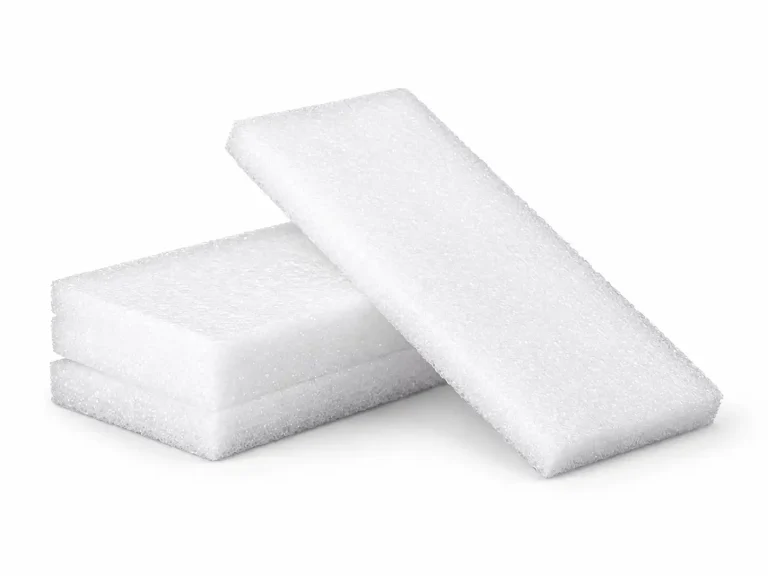
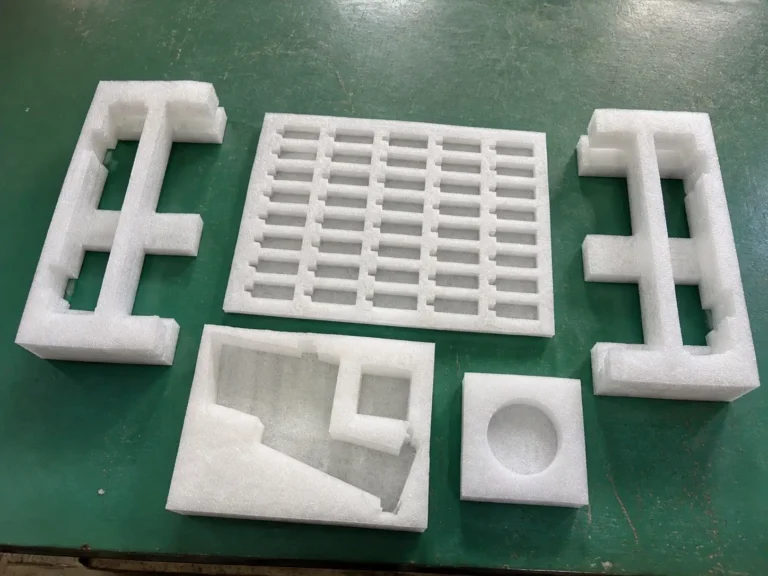
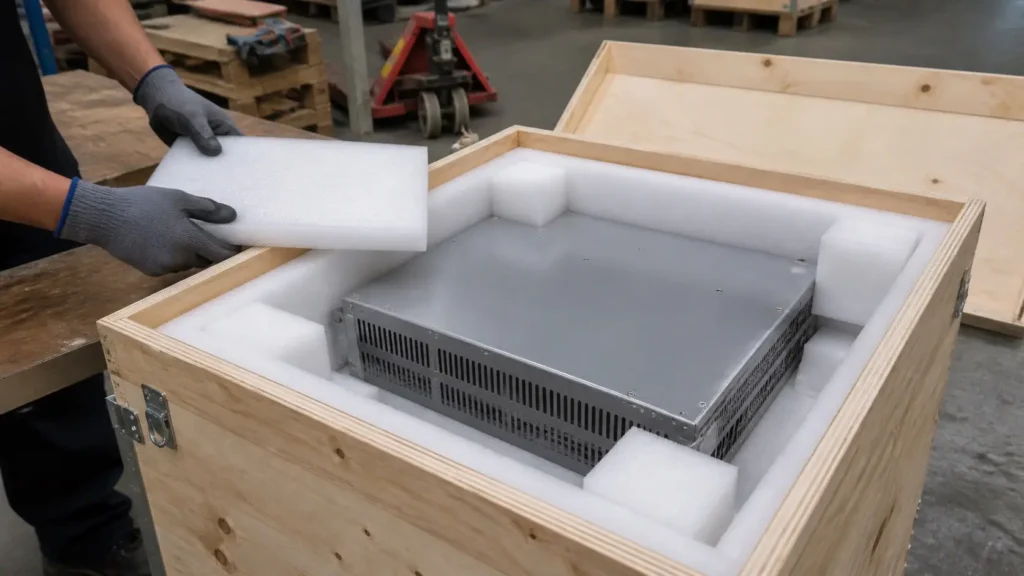
EPE foam sheets can be used as broad liners, layer pads and surface separators. For this configuration, sheets are cut into bottom, side and top pieces around the permitted contact areas. Thickness, density, dimensions and laminated surfaces are discussed according to the product and packing method. The final piece layout must leave suitable clearance for loading and removal.
Custom Profiles Around Defined Features
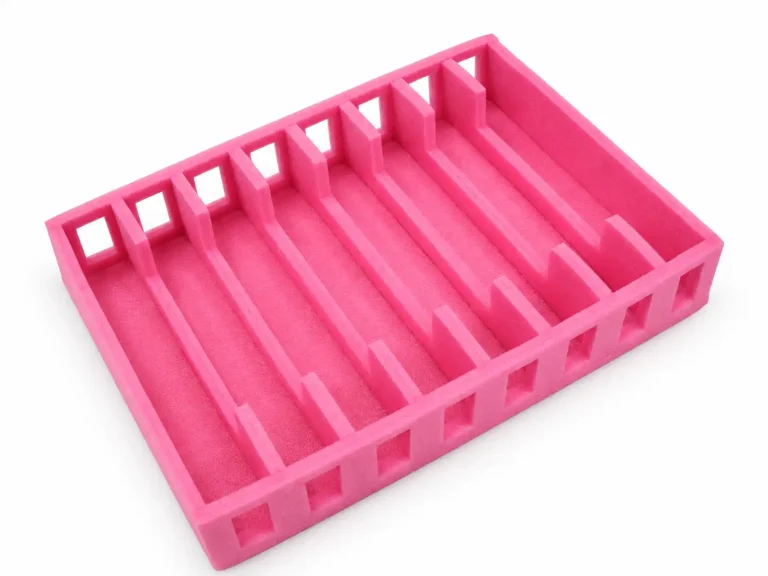
Custom EPE foam profiles add protection at selected edges or create repeatable contact shapes. Drawings define the cross-section, openings and length of each component. The profiles should avoid controls, ventilation areas and connectors unless the equipment manufacturer specifically permits contact there.
Outer Packaging and Load Control
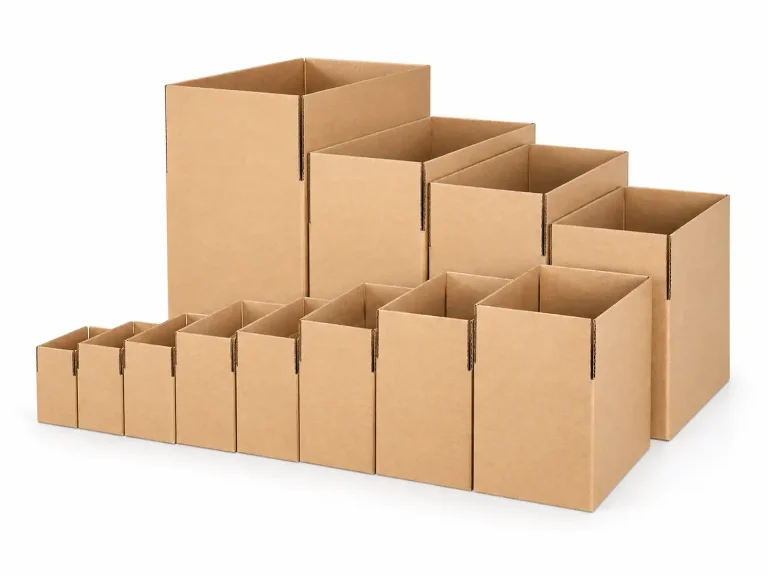
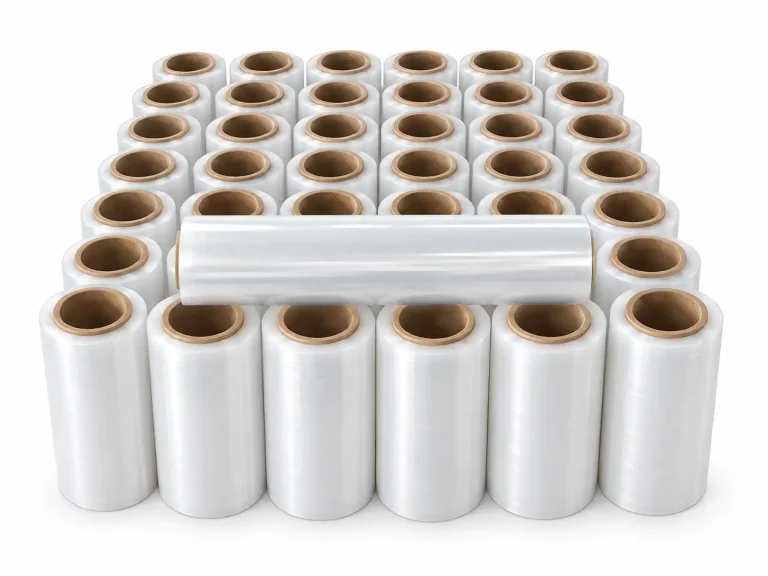
A custom corrugated carton, reusable case or crate provides the outer structure according to the equipment and route. Internal dimensions must include the product, foam and loading clearances. Stretch wrap film may be used in an outer wrapping stage where suitable, but it does not replace internal positioning, fastening or engineered restraint for heavy loads.
From Drawing to Sample
- Confirm the equipment drawing, weight and acceptable support areas.
- Map the foam pieces and accessory locations inside the proposed outer package.
- Produce a sample set using the agreed sheet and profile specifications.
- Load the actual equipment and review contact, clearance and removal.
- Validate the complete package under the buyer’s required handling or test method.
- Record the approved drawings and packing sequence for production.
The packing operator should be able to identify where each foam piece belongs. Numbered parts, simple diagrams or a documented sequence can reduce assembly errors when the configuration includes several components.
Quality and Revision Control
Hongsen’s quality process includes incoming-material review, production monitoring and finished-product inspection against the confirmed specification. For a converted equipment pack, useful control points include overall dimensions, cut-outs, piece orientation, appearance and packing quantity. A physical approved sample can support the written drawing.
Equipment designs change. The buyer should include the current drawing revision with each inquiry and repeat order. A connector, handle or accessory moved after sample approval can alter the fit, even when the product name remains the same.
Why This Configuration Fits the Application
- Sheet liners cover broad surfaces and form simple internal layers.
- Custom profiles address defined edges and contact zones.
- The outer package supplies the required enclosure for the distribution route.
- Accessories receive dedicated locations away from sensitive equipment faces.
- Drawings and a physical sample create a reference for repeat production.
Evidence and Performance Limits
This case explains a representative configuration based on products Hongsen manufactures and its published custom-processing workflow. It does not assign an unverified shock, vibration, compression or load rating. The complete pack must be tested with the actual equipment when performance validation is required.
Standard EPE should not be assumed to provide electrostatic-discharge protection. If the equipment contains static-sensitive electronics, specify the applicable ESD requirement and test standard. Moisture control, corrosion protection and dangerous-goods requirements also need separate evaluation.
Information Needed for a Similar Project
- Current product drawing and revision number
- Overall dimensions and packed weight
- Permitted support areas and sensitive components
- Accessory list and packing orientation
- Outer carton, case, crate or pallet details
- Handling, storage and transport conditions
- Test methods, acceptance criteria and documentation needs
- Estimated order quantity
Frequently Asked Questions
Can Hongsen work from a CAD drawing?
A dimensioned drawing or physical sample provides a useful basis for reviewing custom foam pieces. Mark support areas and clearances clearly.
Does a fitted foam liner restrain heavy equipment?
That depends on weight, contact area, material and the complete packing system. Structural restraint requires a project-specific engineering assessment.
Can accessories be packed in the same case?
Yes when the layout prevents them from contacting sensitive surfaces. Provide dimensions and weight for every accessory.
Discuss Your Equipment Packaging
Explore the related industrial equipment solution, review our custom packaging process, or send Hongsen your drawings and packing requirements.