Protect Furniture Surfaces, Edges and Packing Consistency
Furniture packaging must protect visible finishes while remaining practical for the people who pack, store and move each item. Flat panels, assembled furniture and long metal profiles create different contact points. Corners may be exposed during handling, finished faces can rub against adjacent components, and a loose bundle can move inside its outer packaging. The first step is to identify those risks for the actual item.
Hongsen Packaging, based in Xinxiang, Henan, China, manufactures EPE foam and provides protective packaging supplies. Established in 2002, the company supports material supply and custom processing from dimensions, drawings or samples. Furniture buyers can discuss a combination of surface wrapping, edge protection and outer wrapping around their existing packing process.
Choose Protection for Each Part of the Pack
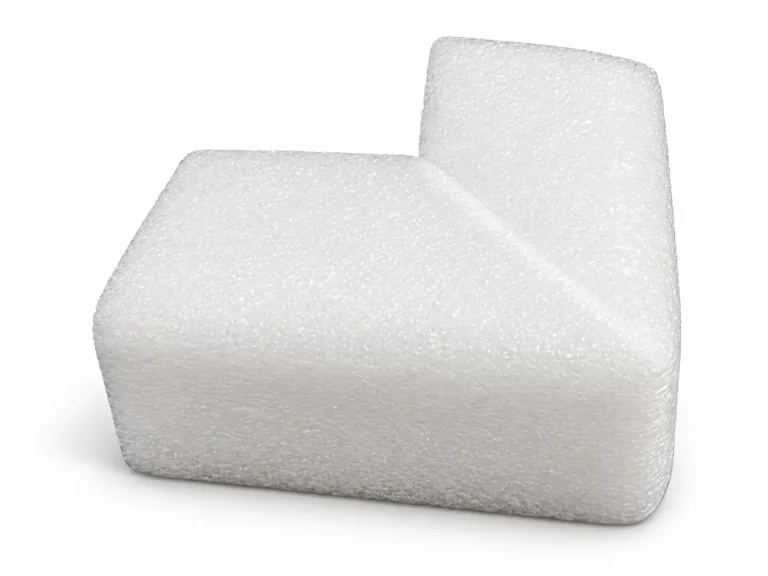
EPE Foam Edge Protectors
EPE foam edge protectors cover vulnerable edges and corners on furniture, panels and profiles. Fit matters: a protector should match the section it covers and remain practical to install. Provide edge thickness, required coverage length and photographs of the finished item. Explain how the protector will be held in position during packing and unloading.
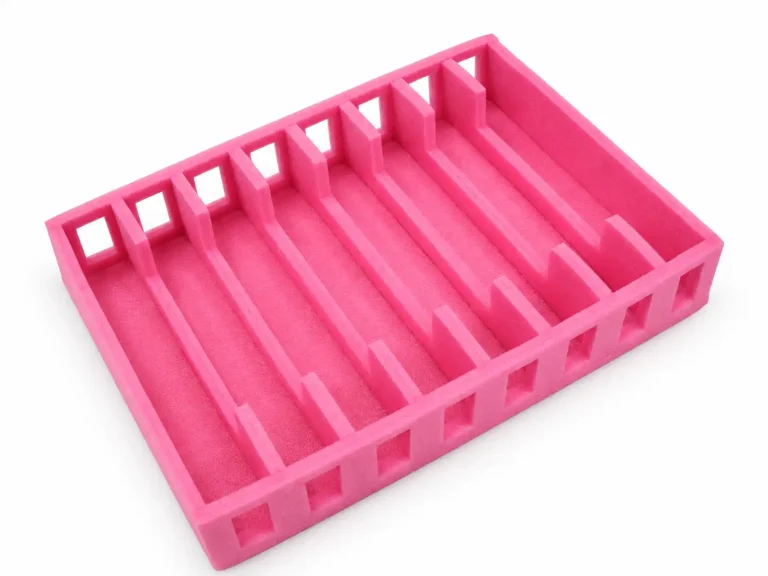
Custom EPE Foam Profiles
Custom EPE foam profiles suit shapes that need a defined cross-section or repeated positioning. U-, V- and L-shaped formats can be discussed from a drawing or sample. Include openings, contact areas and any parts that must remain accessible. A sample fit check helps determine whether the shape can be installed consistently without excessive pressure on the finish.
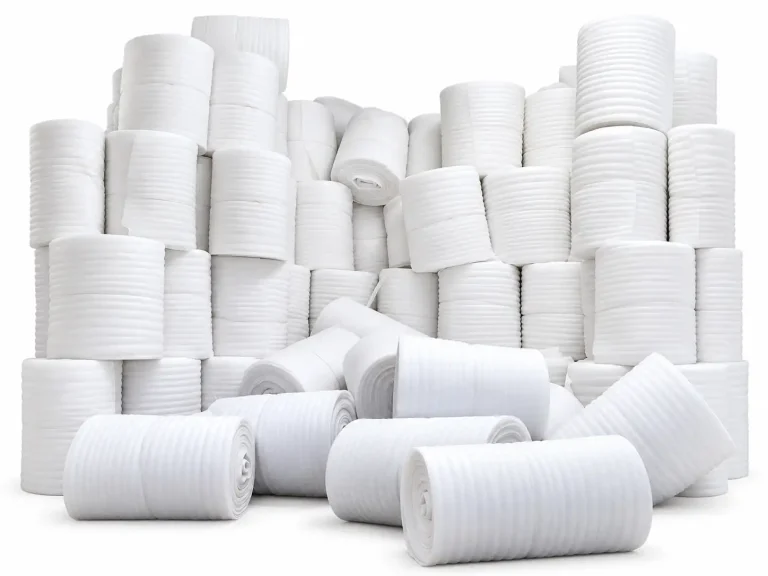
Continuous Foam Wrapping
EPE foam roll is useful for wrapping broad surfaces and separating components of different lengths. Packing teams can cut material at the workstation rather than stock a separate pad for every item. Width, thickness, density, length, color and laminated surfaces can be discussed. Include the daily cutting method and storage space when selecting a supply format.
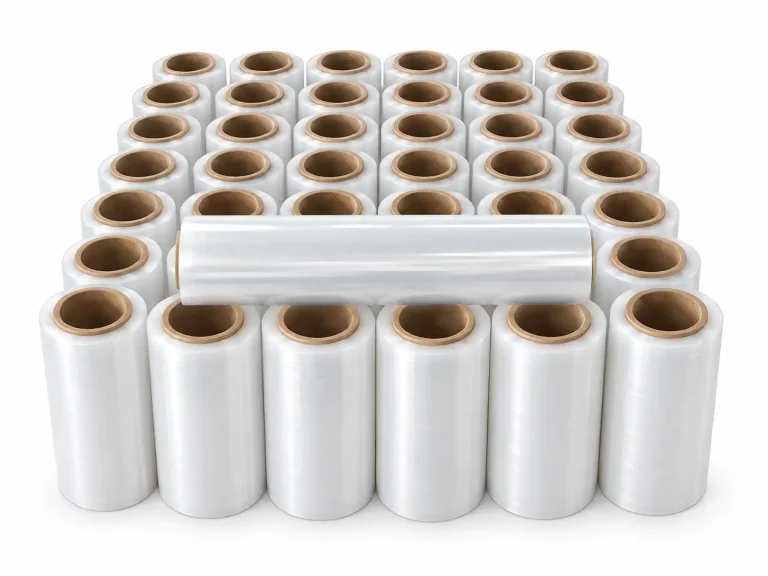
Stretch Film for the Outer Wrapping Stage
Stretch wrap film can bring an outer wrapping layer into the packing process. Its role differs from a foam pad or corner protector: film does not replace cushioning at an exposed edge. Film selection and application should be reviewed with the load shape and wrapping equipment. Confirm that wrapping tension does not mark finishes or distort lightweight components.
Plan the Complete Furniture Pack
Map where the product touches the carton, neighboring parts or pallet. Use surface separation where rubbing is likely and fitted protection where edges need coverage. Keep hardware and accessories from contacting finished faces. Record the packing orientation so workers apply the same protection to the same locations on every unit.
For mixed furniture sizes, compare a flexible roll-based process with pre-cut or shaped components. Rolls accommodate varied coverage lengths; converted parts can simplify repeat orders when the product geometry is stable. Compare material use, packing time, storage and handling convenience together. A lower material price alone does not establish the more practical pack.
Check samples using the actual product, wrapping method and outer packaging. Review removal as well as installation, particularly where installers unpack at a customer site. If the shipment has stacking, vibration or drop-test requirements, provide the required method and acceptance criteria before approving the specification. Foam protectors and stretch film are not a substitute for an engineered load-restraint or pallet system.
Customization and Order Confirmation
Hongsen can discuss profile shape, dimensions, thickness, density, color and practical packing formats. The company reviews incoming materials, monitors production and checks finished products against agreed requirements. Record the approved drawing, dimensional tolerances, appearance expectations and any special inspection needs in the order specification.
For delicate coatings or high-gloss finishes, evaluate material contact with the actual surface under expected storage conditions. Avoid assuming that a material acceptable for one finish will behave identically on another. Share any existing marking or abrasion problem so the sample review addresses the right concern.
Prepare Your Furniture Packaging Inquiry
- Item dimensions, weight and finish type
- Edge cross-sections and required coverage lengths
- Photographs or drawings showing vulnerable areas
- Carton, bundle or pallet arrangement
- Manual or machine wrapping method
- Order quantity and the mix of product sizes
- Required inspections and transport validation
Frequently Asked Questions
Can one profile fit several panel thicknesses?
That depends on the geometry and acceptable fit. Provide every thickness and test the proposed profile on each version rather than assuming a universal fit.
Should stretch film touch the furniture directly?
Evaluate the finish and packing conditions first. Where surface separation is required, discuss an appropriate inner layer and confirm the arrangement through samples.
Can you reproduce an existing protector?
A physical sample or dimensioned drawing provides a useful starting point. Include the intended improvement and any installation difficulties with the current part.
Discuss Your Furniture Packing Process
Review our custom processing services and manufacturing background, then send your dimensions and packing photographs. Hongsen can review the contact points and discuss a practical material and shape for sampling.