Practical Packaging Guide
Prepared by Hongsen Packaging Team, sharing practical material and custom-processing guidance from our packaging manufacturing experience since 2002.
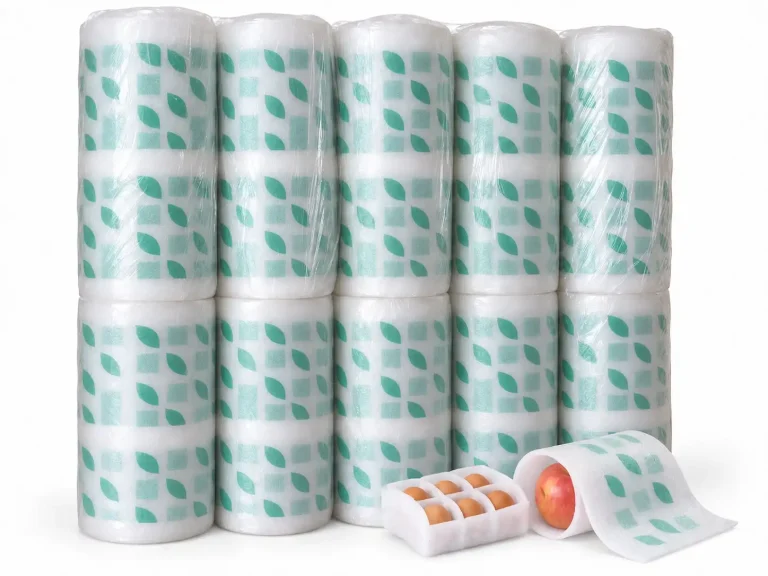
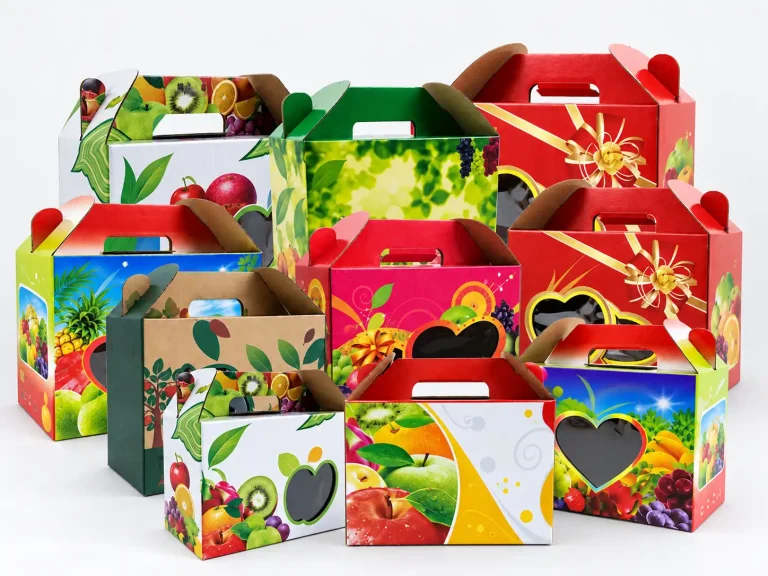
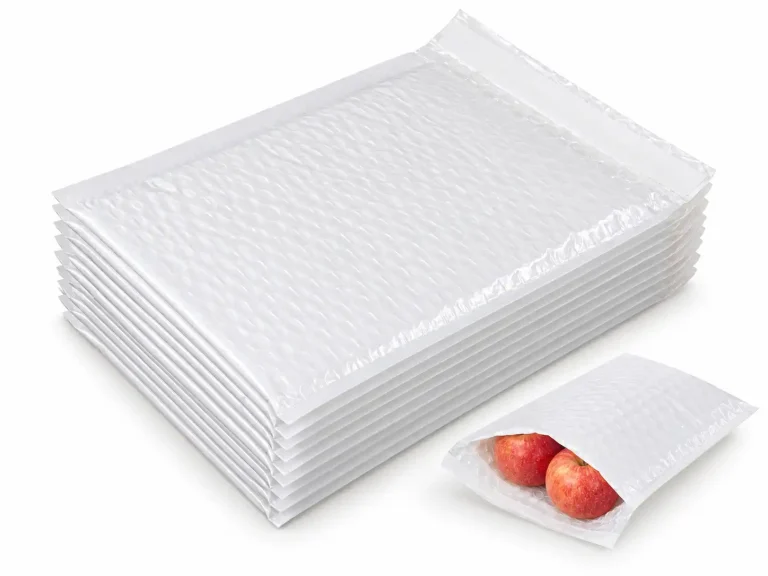
Printed packaging should communicate clearly without weakening the protective job. Printed EPE foam, corrugated boxes and bubble mailers place graphics on different parts of the pack: an inner protective material, an outer shipping box and a ready parcel envelope. The right choice follows the customer journey and the physical risk.
Artwork is only one input. Product size, surface contact, closure, print area, quantities and expected handling must be agreed before a sample can represent the order.
Choose the printed surface by its role
Printed and laminated EPE combines protective foam with an identified or branded surface. It may suit bags, liners and converted formats when the material remains visible during use.
Printing should not interfere with the contact side or obscure fit requirements. Define which side faces the product and which side carries graphics.
Boxes and mailers serve different shipment types
Printed corrugated boxes provide a structural outer surface with several panels for branding, instructions and labels. Bubble mailers combine a flexible envelope and inner air-cell layer for suitable parcel items.
A mailer should be chosen only when the product shape, projections and required rigidity are appropriate. A printed carton still needs correct inner protection and closure.
Quick selection guide
| Format | Main role | Artwork question | Protection question |
|---|---|---|---|
| Printed EPE | Protective inner material | Which side is visible? | Does print affect contact? |
| Printed carton | Structural outer pack | Which panels remain clear? | What inner protection is required? |
| Bubble mailer | Compact parcel envelope | Where are address labels placed? | Can the item bend or puncture? |
| Combined system | Coordinated presentation | Is branding consistent? | Does every layer have a job? |
Fit, handling and packing-line checks
Build artwork on the confirmed dimensions and dieline rather than adapting a design from another size. Mark folds, seams, closures, tape and shipping-label areas.
Review colour expectations with the real substrate. Foam film, corrugated board and mailer film do not present colour in exactly the same way.
Common mistakes
- Approving artwork before confirming the package dimensions.
- Placing important text under tape, folds or shipping labels.
- Choosing a bubble mailer for an item with sharp unsupported projections.
- Assuming printing adds structural protection.
- Using unapproved fonts or low-resolution artwork in production files.
What to send with an enquiry
Send product dimensions, weight, quantity, chosen packaging format and intended print panels. Provide editable artwork, colour references and required wording where possible.
Explain how the package is closed, labelled and displayed. Hongsen Packaging can coordinate printed materials with plain corrugated cartons and protective inserts.
A practical approval process
Review the requirement, agree a starting construction and test a sample with the real product and outer packaging. Ask the people who perform the packing to check insertion, orientation, closure and movement. Record the approved dimensions, layer order and any artwork or handling instructions so that repeat orders refer to the same pack rather than to memory.
If the product, carton, accessories or transport method changes, repeat the relevant checks. Packaging is a system: a small dimensional change can alter fit, contact pressure and empty space. A controlled sample and clear specification provide more useful evidence than a broad promise about material performance.
Frequently Asked Questions
Should artwork be prepared before dimensions?
No. Confirm the package structure and print area first, then prepare artwork on the correct layout.
Can the same artwork be used on foam and board?
The concept may be shared, but colour and detail should be reviewed on each substrate.
Does a bubble mailer suit every parcel?
No. Product rigidity, edges, projections and required protection must be checked.
What files should buyers send?
Editable artwork, fonts or outlined text, colour references and approved wording are useful.
Discuss your packaging requirement
Planning custom printed packaging?
Send the product, chosen format, artwork and labelling plan so structure and print can be reviewed together.
Share the product details first so the recommendation can be based on the actual packing task.
Artwork approval without surprises
Use a proof to check spelling, orientation, panel order and readable size before focusing on colour. Confirm who has authority to approve the final file.
Separate variable shipping labels from permanent printed information. Leave practical clear areas for barcodes, addresses and handling documents.
Keep an approved file name and revision with the purchase specification. Small untracked artwork changes are a common source of repeat-order confusion.
Need help with a packaging requirement?
Share your product dimensions, transport conditions and order quantity. We will help clarify the next step.