Practical Packaging Guide
Prepared by Hongsen Packaging Team, sharing practical material and custom-processing guidance from our packaging manufacturing experience since 2002.
A custom EPE foam profile begins with geometry, not with a catalogue photograph. Two products can look similar yet require different internal widths, corner angles, wall clearances or installation methods. A useful drawing or sample turns those differences into an agreed fit.
The objective is not to make the tightest profile possible. It is to protect the vulnerable area while allowing operators to install the part consistently and without marking the product surface.
Choose the profile family from the contact area
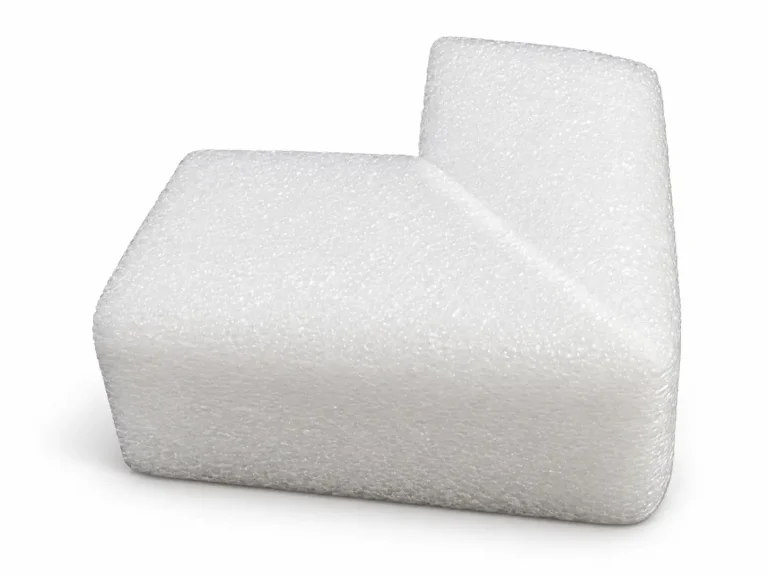
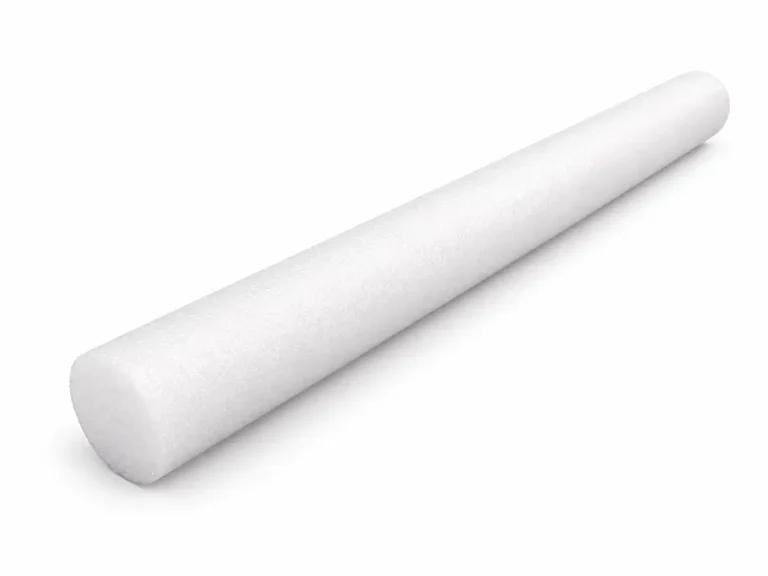
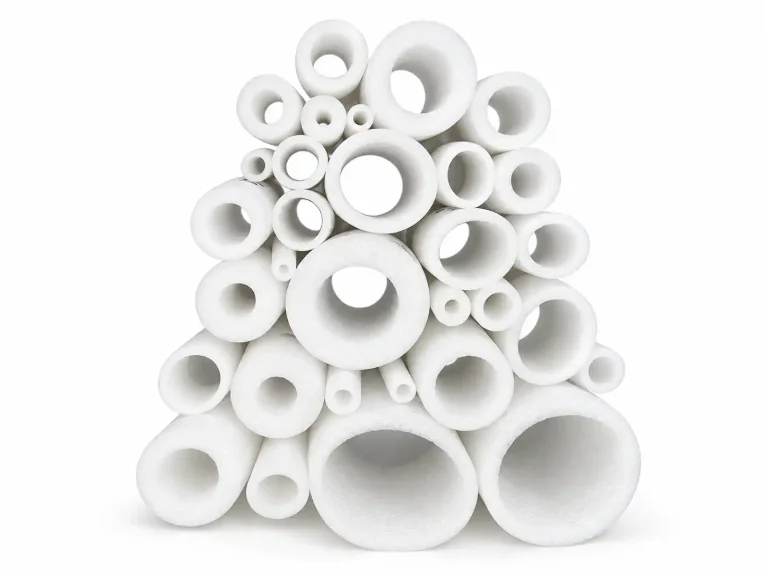
Custom EPE profiles may use L-, U- or V-shaped geometry. L shapes cover outside corners, U shapes wrap an edge or channel and V forms follow selected narrow or angled areas. Rods and tubes address circular spaces.
The family is only a starting point. Internal width, depth, wall arrangement and length must follow the real product and packing direction.
Drawings and samples answer different questions
A drawing communicates nominal dimensions, tolerances and repeated geometry. A physical sample reveals surface finish, flexibility, projections and how the protector is installed. When possible, supply both.
Mark critical dimensions and clearly identify reference surfaces. Photographs help orientation but should not be used as a scale drawing.
Quick selection guide
| Input | What it tells the supplier | Common gap | Best follow-up |
|---|---|---|---|
| Dimensioned drawing | Nominal geometry and tolerances | Surface behaviour | Add photos or sample |
| Physical sample | Actual fit and installation | Controlled dimensions | Confirm drawing after review |
| Photographs | Orientation and damage areas | Reliable scale | Add measurements |
| Current protector | Existing concept and failure | Final product changes | Test on current product |
Fit, handling and packing-line checks
Check fit on the smallest and largest expected product dimensions. A protector that works on one ideal item may be loose or difficult to install across normal variation.
Observe how operators grip, slide and remove the profile. Installation direction, packing speed and the need for tape or film are part of the specification.
Common mistakes
- Sending photographs without dimensions or a scale reference.
- Measuring one product and ignoring normal dimensional variation.
- Specifying a very tight fit without testing the finished surface.
- Changing the carton after profile approval without reviewing clearance.
- Approving a sample without recording orientation and length.
What to send with an enquiry
Provide overall product size, protected edge dimensions, corner angle, profile length and expected variation. Mark painted, polished or otherwise sensitive contact areas.
Send drawings, photographs or a sample and explain the outer packaging. Hongsen Packaging can review profiles together with EPE rods, tubes, sheets and edge protectors.
A practical approval process
Review the requirement, agree a starting construction and test a sample with the real product and outer packaging. Ask the people who perform the packing to check insertion, orientation, closure and movement. Record the approved dimensions, layer order and any artwork or handling instructions so that repeat orders refer to the same pack rather than to memory.
If the product, carton, accessories or transport method changes, repeat the relevant checks. Packaging is a system: a small dimensional change can alter fit, contact pressure and empty space. A controlled sample and clear specification provide more useful evidence than a broad promise about material performance.
Frequently Asked Questions
Is a drawing required?
A sample and clear measurements can start the review, but an agreed drawing helps control repeat orders.
Should the profile grip tightly?
It should remain practical to install and should not mark the surface. Fit must be sampled.
Can one profile fit several models?
Possibly when geometry and size variation are close. Test the full range.
What length should be specified?
Use the protected area and packing method, including joins and carton clearance.
Discuss your packaging requirement
Need a custom EPE profile?
Send the drawing or sample, product variation, surface requirements and packing method so fit can be reviewed around the actual application.
Share the product details first so the recommendation can be based on the actual packing task.
Tolerance and surface review
Separate nominal dimensions from acceptable variation. If the product edge changes between batches, provide the range rather than a single measurement.
Sensitive coatings may require a smoother contact arrangement or different installation direction. Identify whether the protector remains on the product until the end user opens it.
Check whether tape, stretch film or the carton holds the profile in place. The profile should not be expected to solve large empty space elsewhere in the pack.
From sample to repeat order
Pack several units using the proposed profile and note any piece that requires unusual force or extra trimming.
Confirm the final drawing, material construction, cut length, quantity and packing of the profiles themselves. Long lightweight parts can be inconvenient if bundle size is ignored.
Retain an approved reference and review it whenever the protected product changes. This creates a clear link between the physical fit and the purchase specification.
Need help with a packaging requirement?
Share your product dimensions, transport conditions and order quantity. We will help clarify the next step.