Practical Packaging Guide
Prepared by Hongsen Packaging Team, sharing practical material and custom-processing guidance from our packaging manufacturing experience since 2002.
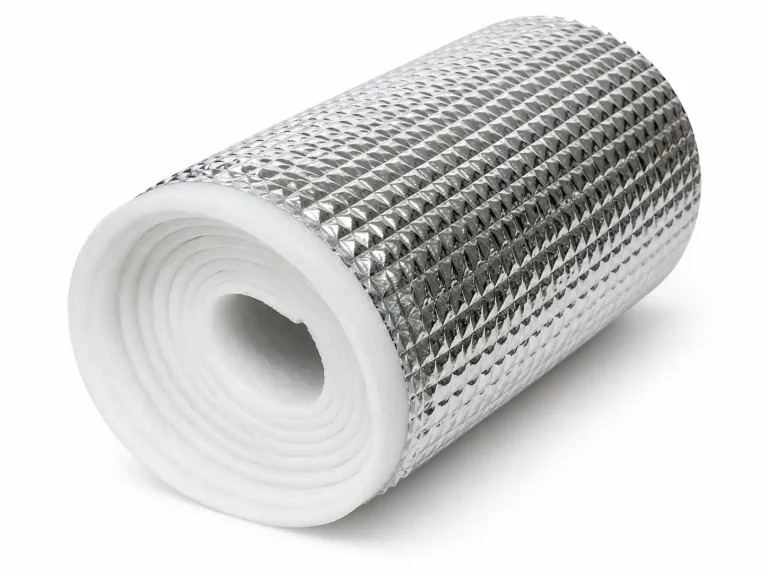
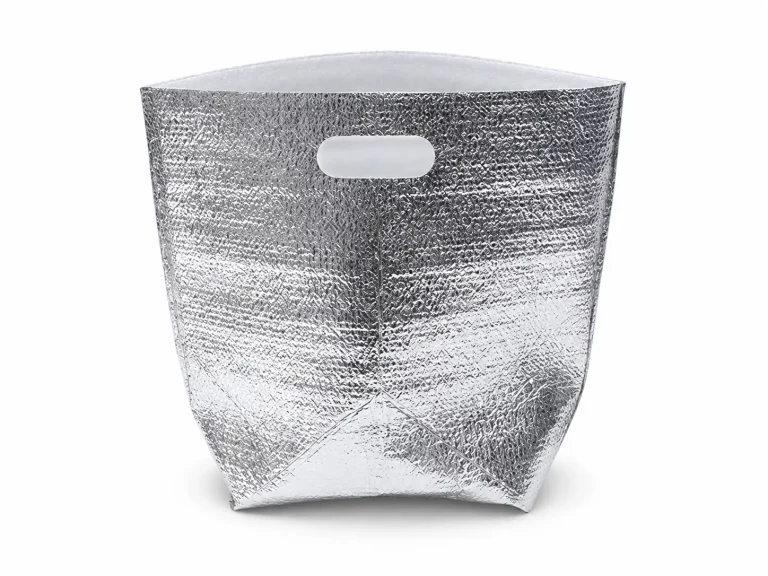
Foil-laminated EPE foam and finished insulated bags both combine reflective film with a cushioning or insulating structure, but they enter the packaging process at different stages. Laminated foam is supplied as material for lining, wrapping or conversion. An insulated bag is a finished enclosure intended for a defined product and packing routine.
Neither name establishes a guaranteed temperature range or holding time. Those results depend on construction, contents, closures, environment and the complete distribution method. Buyers should compare format and use before discussing verified performance.
Foil-laminated EPE as a conversion material
Foil-laminated EPE foam can line cartons, wrap broad surfaces or become converted pieces. It is useful when dimensions vary or when the buyer needs material integrated into another package.
The laminate orientation, edges, joining method and contact surface should be defined. Loose overlaps and exposed gaps can make a neat-looking liner inconsistent in use.
Insulated bags as finished enclosures
Foil insulated bags provide a ready enclosure with an opening and closure. They can simplify packing when the product range and required internal space are known.
Specify the fully packed dimensions, not only the product. Allow for secondary containers, coolant if applicable, sealing and comfortable insertion. Any fresh-food or temperature-related requirement must be confirmed for the destination and use.
Quick selection guide
| Format | Buyer receives | Useful starting point | Critical confirmation |
|---|---|---|---|
| Laminated foam roll | Flexible material | Liners, wraps and conversion | Width, laminate side and joining |
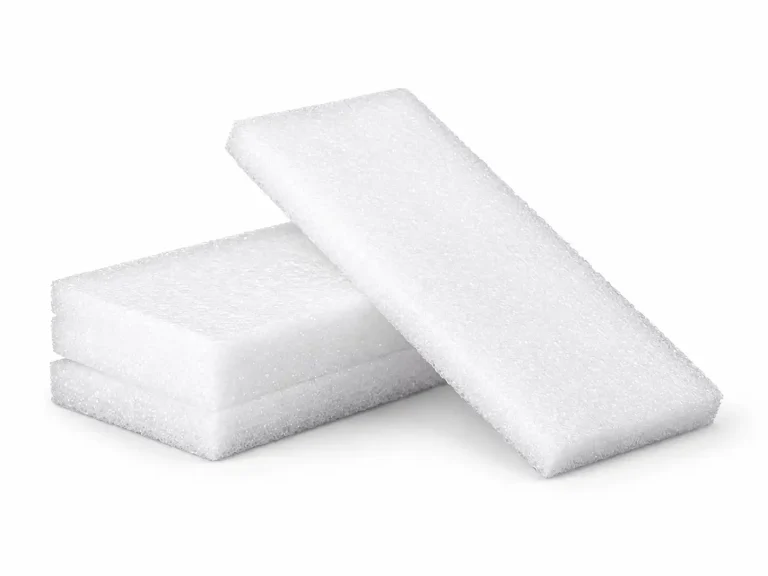
| Laminated foam sheet | Pre-cut flat layer | Carton lining and separation | Size, edges and placement |
| Insulated bag | Finished enclosure | Repeatable individual packing | Internal space, opening and closure |
| Custom assembly | Combined components | Defined distribution pack | Sample test and documentation |
Fit, handling and packing-line checks
Test the product, secondary packaging and any additional components together. A bag that fits an empty container may be too small after closure materials are added.
Review how the package is opened, filled, sealed, carried and placed in the outer carton. Operator handling and exposed seams are part of the real system.
Common mistakes
- Treating a reflective surface as proof of a specific holding time.
- Measuring only the product and ignoring inner containers or coolant.
- Leaving gaps between liner pieces without reviewing the complete enclosure.
- Selecting a closure without testing repeated operator use.
- Assuming regulatory suitability from the product name alone.
What to send with an enquiry
Provide product type, dimensions, packed quantity, outer container and expected distribution conditions. Identify whether you need material for conversion or a finished bag.
State any required temperature study, food-contact or market documentation separately. Hongsen Packaging will confirm what can be supplied for the agreed construction rather than relying on a general material description.
A practical approval process
Review the requirement, agree a starting construction and test a sample with the real product and outer packaging. Ask the people who perform the packing to check insertion, orientation, closure and movement. Record the approved dimensions, layer order and any artwork or handling instructions so that repeat orders refer to the same pack rather than to memory.
If the product, carton, accessories or transport method changes, repeat the relevant checks. Packaging is a system: a small dimensional change can alter fit, contact pressure and empty space. A controlled sample and clear specification provide more useful evidence than a broad promise about material performance.
Frequently Asked Questions
Does foil-laminated foam guarantee insulation time?
No. Holding time depends on the full package and conditions and requires an agreed test.
When is a finished bag easier?
A bag is practical for repeated products when insertion, closure and internal space have been confirmed.
Can laminated foam line a carton?
Yes, but dimensions, seams and placement should be specified and sampled.
What dimensions matter most?
Use the fully packed contents, including secondary containers and any additional components.
Discuss your packaging requirement
Comparing laminated foam and insulated bags?
Share the complete contents, dimensions, closure and distribution conditions so the appropriate format can be discussed without unsupported assumptions.
Share the product details first so the recommendation can be based on the actual packing task.
Performance questions that require evidence
If temperature control matters, define the starting product condition, acceptable range, ambient exposure, journey duration and number of openings. A statement such as ‘keep cold’ is not enough to design or validate a pack. The method of test and acceptance criteria should be agreed before results are interpreted.
Reflective film can be one element of a package, but seams, closure, internal air space and the thermal mass of the contents all affect behaviour. Comparing materials by surface appearance alone misses these variables.
For business buyers, the useful document is an agreed specification tied to a sample or test arrangement. Record material layers, dimensions, closure and packing sequence, then confirm any claimed result only for that defined system.
Need help with a packaging requirement?
Share your product dimensions, transport conditions and order quantity. We will help clarify the next step.